Knowledge
Promoters Passives Detractors: A Comprehensive Guide

TRUSTED BY BEST-IN-CLASS BRANDS



Do you wonder who your true brand advocates are? The answer lies in the nuanced realm of promoters, passives, and detractors.
It is a given that buying experiences are based on how customers feel they are being treated. This is why the Net Promoter Score is a vital metric!
So…
What is the Net Promoter Score?
Net Promoter Score, or NPS, is a pivotal metric that measures customer loyalty and satisfaction. It helps determine if your customers are happy and likely to recommend your business to others.
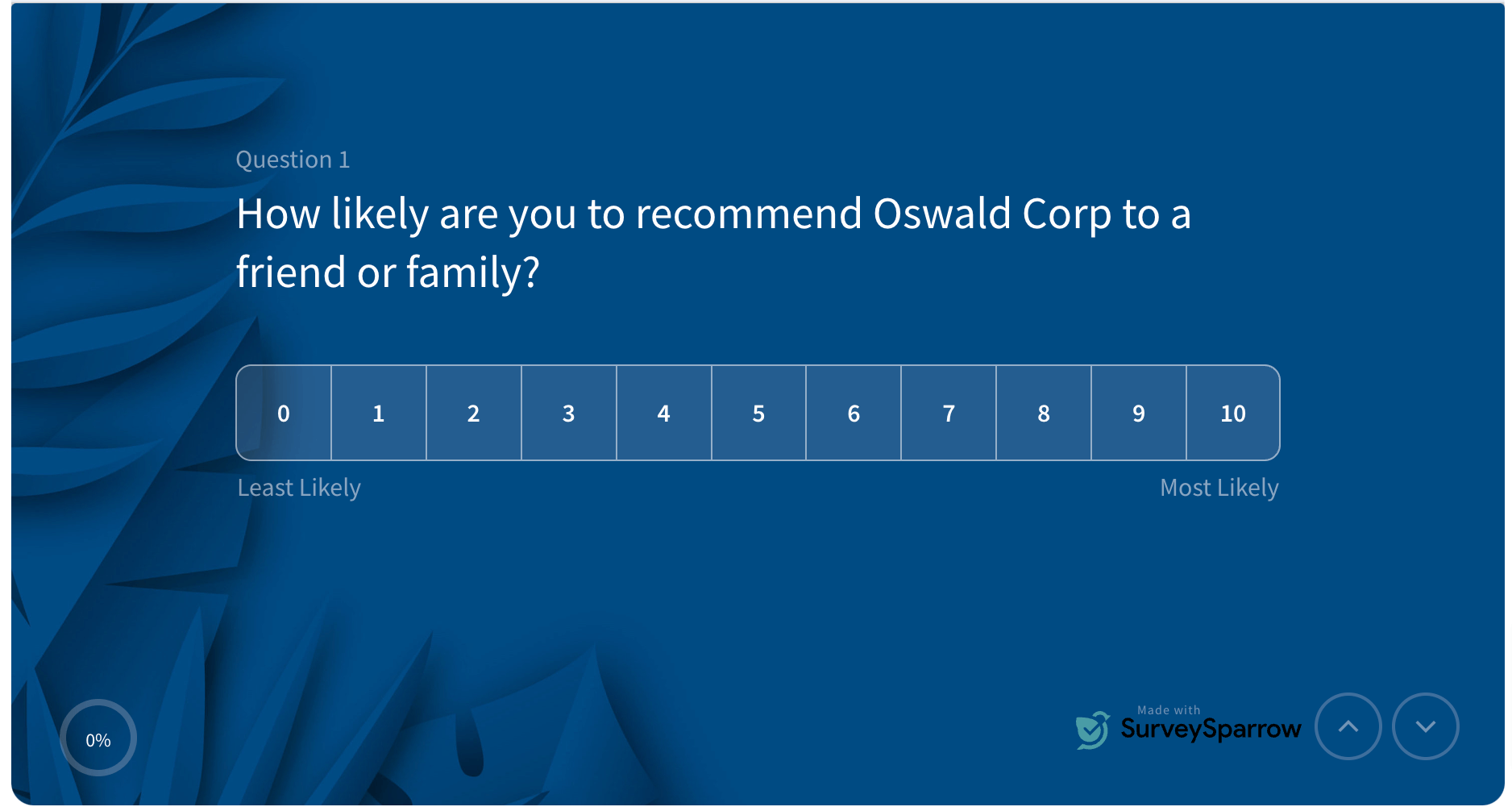
It starts with a straightforward question: “How likely would you recommend our company/product/service to a friend or colleague?” The answers put your customers into three groups: promoters, passives, and detractors.
Here’s a Net Promoter Score Survey template for reference:
What are Promoters, Passives, and Detractors?
Each group says something important about how your customers feel about your business.
- Promoters: These customers love your business and tell others about it. They give a high rating, like 9 or 10.
- Passives: These folks are satisfied but not jumping with joy. They give a middle-of-the-road rating, like 7 or 8. There’s a chance to make them more excited.
- Detractors: These are the unhappy customers who might spread negative vibes. They give a low rating, from 0 to 6.
Understanding each group is vital. Promoters are loud fans who boost your reputation. Passives have potential but need a little extra attention. Detractors can be turned around with quick and effective solutions.
Now, it is essential to have an advanced tool backing you when it comes to such a vital metric. You can consider SurveySparrow if you want. SurveySparrow’s NPS Software lets you:
- Add dynamic lists and segment
- Share follow-up questions and Emails
- Automate and get things done
- Distribute efficiently via SMS, Email or In-app
- Analyze real-time dynamic dashboard
- Conduct sentiment analysis and view Wordcloud
Well, you’ll never know until you take it for a spin. And it’s free to try!

Supercharge Feedback with the Best NPS Software!
A personalized walkthrough by our experts. No strings attached!
What are Promoters?
Promoters are the enthusiastic advocates of your brand who go beyond being satisfied customers—they actively promote and endorse your business.
These are the customers who love what you do, and they’re not shy about spreading the word. Think of them as cheering the loudest in the stands for your business success.
They are pretty much like a cheerleading squad!
Characteristics of Promoters:
- Vocal Advocates: Promoters are like your personal marketing team. They talk about your business to friends, family, and anyone who will listen.
- Positive Reviews: When you see glowing reviews online, they’re likely from your promoters. These customers want to share their fantastic experiences with others.
- Boost to Brand Credibility: Promoters significantly make your business look good. Their positive word-of-mouth builds trust and credibility.
How to Identify Promoters
Identifying your promoters is like spotting the VIPs in a crowd. Here’s a quick guide:
- High Ratings: Look for customers who give you a high rating, like a 9 or 10. These scores signal that they’re super satisfied.
- Recommendation Enthusiasm: If they’re eager to recommend your business to friends or colleagues, that’s a clear promoter sign.
- Positive Vibes: Read comments—they often share positive experiences. If it feels like a virtual high-five, you’ve found a promoter.
- Consistency Matters: High ratings over time indicate loyal customers are likely to be promoters.
What are Passives?
Now, let’s talk about passives—the content customers but not necessarily waving your business banner. They’re like the moderate judges in a talent show.
They are neither cheering nor booing.
Also, they provide a unique perspective, representing a middle ground between vocal advocacy and dissatisfaction.
Characteristics of Passives:
- Satisfaction Without Fanfare: Passives are satisfied customers, but they’re not throwing a parade for your business. They typically give a middle-of-the-road rating, like 7 or 8.
- Potential for Enthusiasm: Although not jumping with joy, passives harbor untapped potential. They could transform into more enthusiastic supporters with some extra attention.
- Indicators for Improvement: Passives offer a valuable signal for areas of improvement. They’re a canvas with room for a bit more excitement.
How to Identify Passives
- Moderate Ratings: Customers handing out 7s or 8s fall into the passive category. They’re content but not overly thrilled.
- Balanced Feedback: Look for feedback that sits in the middle ground—not overly positive or negative. Passives often provide insights without extreme emotions.
- Reserved Recommendations: Passives might not actively recommend your business, but they’re also not likely to discourage others.
What are Detractors?
Let’s shift our focus to detractors—the customers who express dissatisfaction and pose potential risks to your business’s reputation. Detractors are like the critics in a movie review, pointing out flaws and areas of improvement.
Detractors represent a crucial segment of customers who have experienced dissatisfaction with your business.
Understanding and effectively managing detractors are essential to maintaining a positive brand reputation.
Characteristics of Detractors:
- Expressed Dissatisfaction: Detractors are customers who have experienced issues or dissatisfaction, leading them to give a low rating, typically ranging from 0 to 6.
- Risk to Reputation: These customers risk your brand’s reputation as they may actively share negative feedback, influencing others in their network.
- Opportunities for Recovery: While detractors highlight challenges, they also present opportunities for recovery. Addressing their concerns effectively can mitigate potential damage.
How to Identify Detractors
- Low Ratings: Low ratings identify Detractors, falling within the 0 to 6 range. These scores signal significant dissatisfaction and the need for prompt attention.
- Negative Feedback: Look for explicit negative feedback in comments or responses. Detractors often provide detailed insights into their concerns.
- Active Disapproval: Detractors may express their disapproval online or offline, potentially influencing others’ perceptions of your business.
Promoters, Passives, Detractors: A Table of Comparison
| Aspect | Promoters | Passives | Detractors |
|---|---|---|---|
| Characteristics | Enthusiastic advocates | Content but reserved | Experienced dissatisfaction |
| Behavioral Insights | Actively recommends | Reserved in recommendations | Provides low ratings |
| Impact on Reputation | Enhances brand credibility | Potential for growth | Poses a risk to the reputation |
| Room for Improvement | Above and beyond | Indicates areas for growth | Opportunities for recovery |
| Recommendation Behavior | Actively endorses | Reserved in recommendations | May actively discourage |
| Overall Influence | Positively influences | Potential for growth | Demands immediate attention |
| Strategic Focus | Leverage for continued positive brand image | Target for increased satisfaction | Address concerns promptly |
This comparative analysis provides invaluable insights into their characteristics, behaviors, and implications for your business strategy.
Characteristics
- Promoters love your business, write positive reviews, and boost your credibility.
- Passives are the okay folks—they’re satisfied but not overly excited, providing room for improvement.
- But detractors, unfortunately, are the unhappy ones who had a bad experience and might harm your reputation.
Behavioral Insights
- Promoters actively tell others to try your business. Their enthusiasm positively influences potential customers.
- Passives don’t actively recommend but won’t discourage others, either. They give feedback that’s neither super positive nor negative.
- Detractors may actively discourage others from using your business. They give low ratings and share detailed negative feedback.
Impact on Reputation
- Promoters make your business look trustworthy and excellent. They spread positive vibes, attracting more customers.
- Passives, when engaged, contribute to increased satisfaction and potential growth. Their balanced feedback indicates areas for enhancement without extreme influence.
- Detractors, if not addressed, can harm your brand’s reputation. Their dissatisfaction may lead to negative word-of-mouth, affecting perceptions.
Room for Improvement
- While promoters are happy, there’s always room to improve things. Their positive feedback guides fine-tuning for an exceptional customer experience.
- Passives, content but reserved, present untapped potential for increased engagement.
- Detractors point out issues that need quick solutions.
Recommendation Behavior
- Promoters actively and enthusiastically recommend your business. Their endorsements positively influence potential customers.
- Passives are reserved in recommendations but won’t actively discourage others.
- Detractors may actively discourage others from using your business. Their dissatisfaction may lead to harmful recommendations, potentially impacting others’ perceptions.
Overall Influence
- Promoters positively influence potential customers, enhancing brand image.
- Passives, with room for improvement, offer insights for growth.
- Addressing detractors promptly transforms potential harm into opportunities for recovery.
Strategic Focus
- Keep doing what the promoters love to make them even happier. They tell everyone about us, and we love that. We want more people to know and love us too.
- Passives are satisfied but not super excited. We want to make them love us more. They give us ideas on how to get better. We listen and make changes to make them love us more.
- Detractors had a bad experience. We need to fix that fast. They might tell others we’re not good. We don’t want that. We fix problems fast to make them happy again.
How to Convert Passives and Detractors to Promoters
Converting Okay Customers (Passives) into Promoters:
Engage and Ask
- Initiate conversations: Reach out to passives through surveys, emails, or feedback forms. Ask open-ended questions to understand their experiences.
- Seek honest feedback: Encourage them to share their positive and constructive thoughts about their interactions with your business.
- Personalize communication: Make them feel valued by addressing them by name and expressing genuine interest in their opinions.
Make Changes
Analyze feedback: Thoroughly review the feedback received from passives. Identify common themes or areas where improvement is needed.
Prioritize improvements: Determine which changes will most significantly impact customer satisfaction. Focus on addressing key pain points.
Communicate improvements: Let passives know about your changes based on their feedback. Transparency builds trust and shows your commitment to their satisfaction.
Surprise and Delight
Personalized surprises: Tailor surprises based on individual preferences or past interactions. It could be a discount, a personalized note, or a small gift.
Loyalty programs: Introduce loyalty programs or exclusive offers for passives to encourage repeat business and foster a sense of belonging.
Express appreciation: Thank passives for their feedback and loyalty. Expressing gratitude strengthens the customer-business relationship and encourages positive word-of-mouth.
Read More: How to Turn NPS Passives into Promoters
Converting Unhappy Customers (Detractors) into Promoters:
Listen and Apologize
- Provide a listening platform: Create channels for detractors to share their grievances, whether through customer support, feedback forms, or social media.
- Show empathy: Acknowledge their dissatisfaction and express genuine empathy. Let them know their concerns are being taken seriously.
- Apologize sincerely: A heartfelt apology goes a long way. Please take responsibility for any shortcomings and assure them that steps will be taken to address them.
Fix Problems Fast
- Swift action: Prioritize quick resolution of issues raised by detractors. This demonstrates a commitment to customer satisfaction and helps prevent further damage.
- Communicate solutions: Communicate the steps being taken to address their concerns. Provide timelines for resolution to manage expectations.
- Compensation if needed: Sometimes, consider offering compensation or incentives as a goodwill gesture. This can help rebuild trust and showcase your dedication to making things right.
Follow Up
- Post-resolution check-in: After implementing solutions, follow up with detractors to ensure they are satisfied with the outcomes.
- Ask for feedback on improvements: Encourage them to share feedback on the changes made. This gauges their satisfaction and reinforces your commitment to continuous improvement.
- Express ongoing commitment: Assure detractors that their feedback has been instrumental in driving positive changes, and emphasize your ongoing dedication to improving the experience.
Read More: How to Turn NPS Detractors into Promoters
The Significance of Turning Customers into Promoters
Converting customers into promoters isn’t just about making someone happy; it’s a strategic move with several crucial benefits for your business.

Positive Word-of-Mouth
- Organic Marketing: Promoters actively share positive experiences, acting as organic brand ambassadors.
- Wider Reach: Their recommendations reach a broader audience, influencing potential customers.
Enhanced Brand Credibility
- Trusted Advocacy: Promoters, being genuine enthusiasts, enhance your brand’s credibility in the eyes of others.
- Positive Perception: The endorsement from satisfied customers contributes to a positive brand perception.
Increased Customer Loyalty
- Repeat Business: Promoters are likelier to become repeat customers, contributing to consistent revenue.
- Brand Affinity: Their loyalty fosters a strong connection with your brand, reducing the likelihood of exploring competitors.
Cost-Effective Marketing
- Reduced Acquisition Costs: Turning existing customers into promoters reduces the need for expensive acquisition strategies.
- Sustainable Growth: Word-of-mouth promotion by promoters provides a sustainable and cost-effective growth channel.
Feedback Loop for Improvement
- Valuable Insights: Promoters offer valuable insights into what aspects of your business are working well.
- Continuous Enhancement: Their feedback guides continuous improvements, ensuring your business stays competitive and customer-centric.
Resilience to Negative Feedback
- Positive Buffer: A strong base of promoters is a buffer against occasional negative feedback.
- Mitigating Reputation Risks: Promoters counterbalance the impact of detractors, helping to mitigate potential reputation risks.
Competitive Advantage
- Stand Out in the Market: Businesses with many promoters stand out in the competitive market.
- Differentiation: Customer loyalty and advocacy become a key differentiator, setting your business apart.
Customer-Driven Growth
- Customer-Centric Strategy: Focusing on creating promoters aligns your business with a customer-centric growth strategy.
- Long-Term Success: Sustained growth driven by customer advocacy contributes to long-term business success.
Wrap Up!
Knowing about “Promoters Passives Detractors” is like having a secret code to success.
So, why does it matter? Because happy customers do amazing things:
- They become our vocal promoters, disseminating positive sentiments far and wide.
- Our brand gains heightened trust as their genuine appreciation resonates with others.
- Satisfied advocates foster business loyalty, contributing to sustainable growth and prominence.
So, let’s keep making our customers happy!
Join us on this journey with SurveySparrow today!
Supercharge Feedback with the Best NPS Software!
A personalized walkthrough by our experts. No strings attached!