Survey Tips
Transactional Survey: Enhancing Customer Experiences

Article written by Kate Williams
Content Marketer at SurveySparrow

11 min read
6 December 2023


Survey Tips
Article written by Kate Williams
Content Marketer at SurveySparrow
11 min read
6 December 2023
Ever noticed those swift, post-interaction surveys that pop up after you’ve just made a purchase online? Or maybe when you’ve had an interaction with customer service? They are transactional surveys, designed to capture immediate feedback while the experience is still fresh in your customers’ minds.
In this blog, we will deal with what a transactional survey is, its importance, uses, types, and best practices to follow for enhanced customer experience.
A transactional survey is like an instant feedback system. It captures the essence of customer interaction in real time. It is designed to collect feedback immediately after a specific customer interaction or transaction. These surveys are strategic, focusing on particular touchpoints within the customer journey.
Unlike traditional surveys that assess general customer satisfaction over extended periods, transactional surveys zoom in on specific instances.
So, why are they so important?
These surveys provide businesses with instant insights into user satisfaction. It helps to uncover pain points, highlight positive experiences, and offer valuable data that can guide strategic decisions. This immediacy allows businesses to address concerns promptly, ensuring customer needs are met and enhancing overall satisfaction.
How are they conducted?
Online survey platforms, such as SurveySparrow, offer businesses user-friendly interfaces to create customized transactional surveys. You can use email or SMS notifications to prompt customers, ensuring a seamless feedback collection process.

A personalized walkthrough by our experts. No strings attached!
It’s important to look into the behind-the-scene magic of transactional surveys. Here’s a list:
Online survey tools and apps allow businesses to create customized transactional surveys tailored to their specific needs. From the questions asked to the survey design, customization ensures that surveys are relevant and engaging for respondents.
Understanding the population of interest is crucial. Businesses use targeted sampling methods to ensure that the right audience is surveyed. By identifying specific customer segments or individuals who have recently interacted with the business, surveys can be directed toward those who are most relevant to the research goals.
To maximize response rates, transactional surveys are often deployed through multiple channels. Email, SMS, website pop-ups, and mobile apps are common channels used to engage customers and prompt them to participate in the survey.
Timing is key! Surveys are typically sent immediately after a customer interaction, ensuring that the experience is fresh in the respondent’s mind. This real-time approach captures genuine feedback, providing businesses with rich, authentic insights.
While closed-ended questions offer structured data, open-ended questions allow respondents to express their thoughts freely. Besides the quick picks, businesses throw in some open-ended questions. It’s like saying, “Tell me more.” These questions let customers spill the beans, sharing their thoughts freely. It’s the qualitative gold that adds depth to the feedback.
After collecting responses, businesses use fancy tools and statistical wizardry. They analyze the data, spotting trends and connections. It’s like finding emerging patterns, trends, and correlations with survey data.
Now you see how a transactional survey is like an instant feedback button. Here’s why they’re absolutely vital:
Now, let’s talk variety, shall we? Different types of transactional surveys capture specific aspects of the customer journey.
If you have received a survey right after making a purchase online, that’s called a post-purchase survey. Businesses use these to gauge customer satisfaction after a sale, diving into factors like product quality, shipping experience, and overall satisfaction. It’s the perfect way to understand the end-to-end buying process.
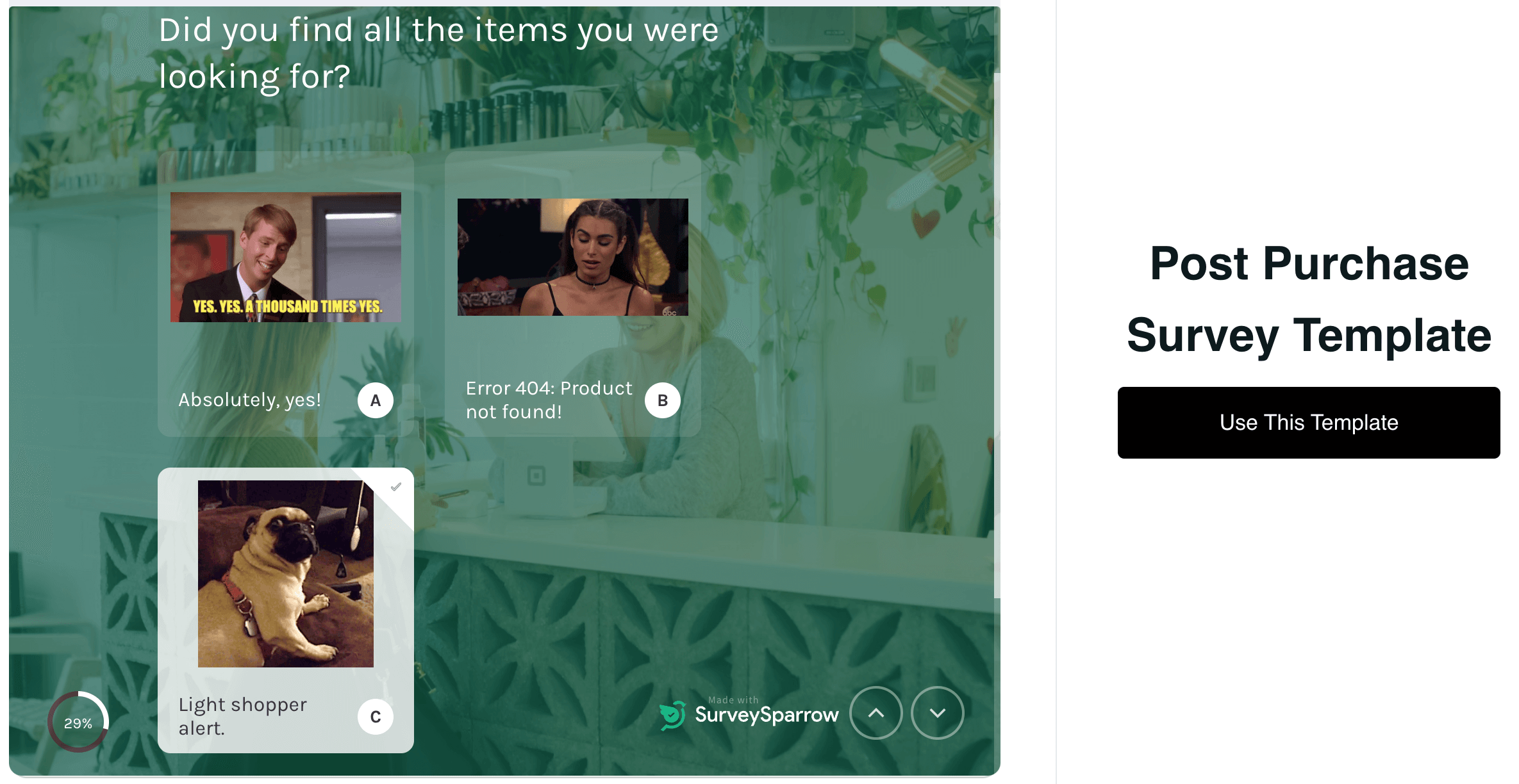
We all know how vital customer satisfaction is. These surveys- capture immediate feedback, are easy for customers to respond to, and provide detailed insights that drive positive changes. By listening to customer feedback, businesses can continuously enhance their services and create exceptional experiences for their customers.
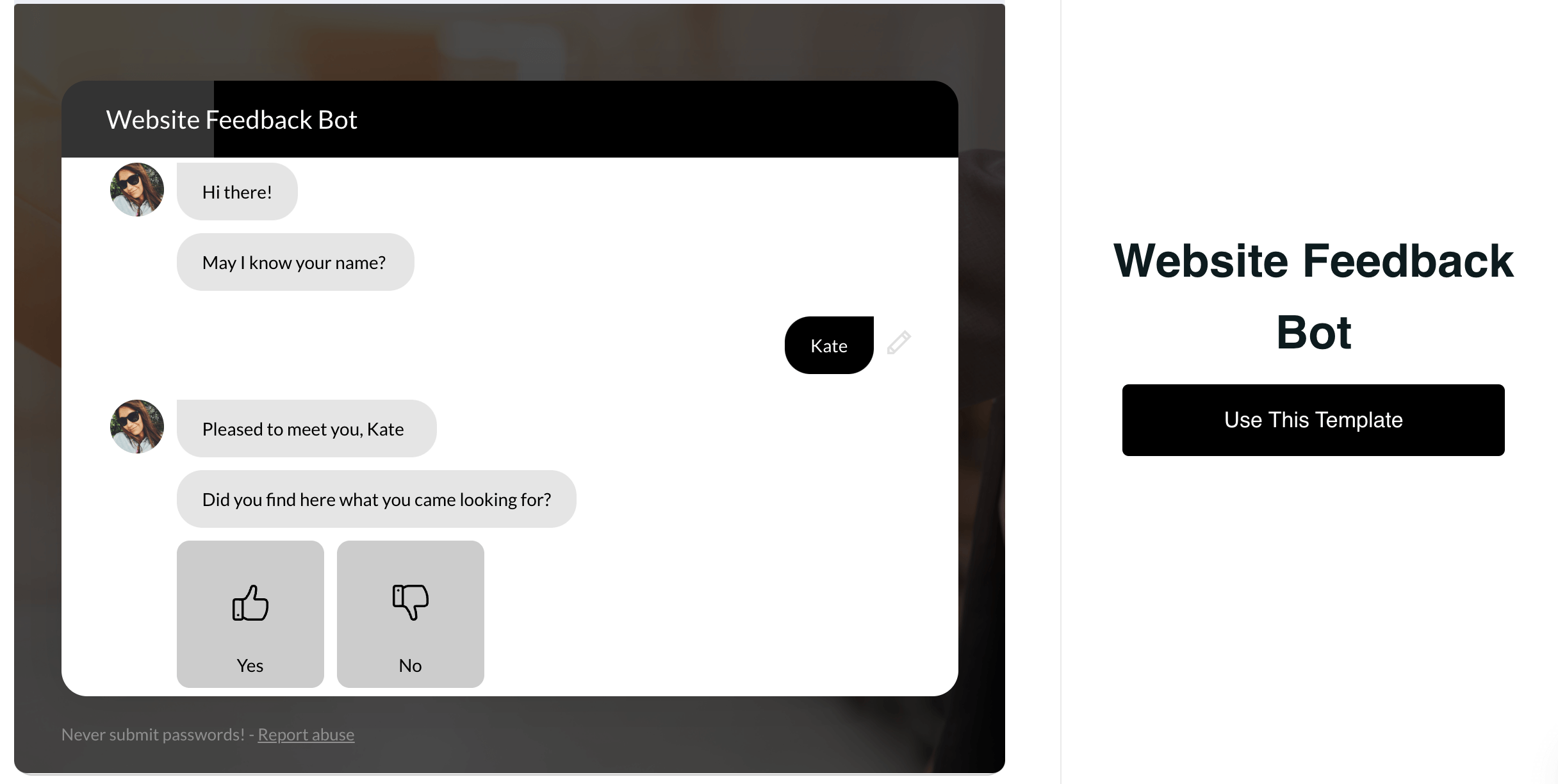
Navigating a website should be seamless, right? Website feedback surveys appear on webpages, asking visitors about their site experience. Users share insights on website design, content relevance, and ease of navigation. It’s like having a virtual tour guide. Businesses can ensure that visitors effortlessly find what they’re looking for.
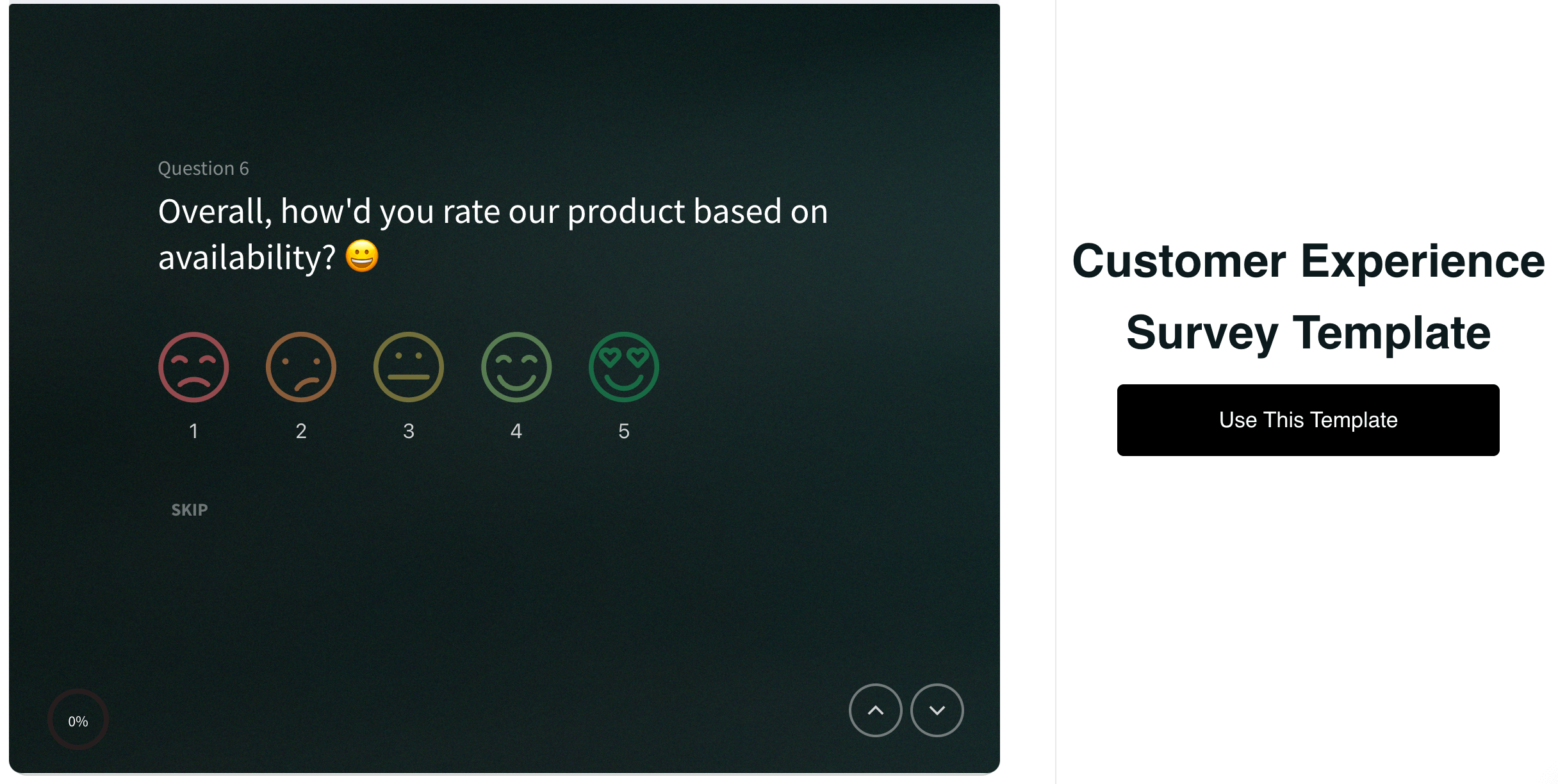
These surveys zoom out, capturing the overall customer journey. From initial interaction to post-purchase follow-ups, customer experience surveys provide a holistic view. They explore multiple touchpoints, helping businesses identify trends and patterns in customer behavior. It’s like creating a customer journey map – a visual guide to understanding the entire experience.
Launching a new product or feature? Here’s where product feedback surveys come into play. Businesses use these surveys to gather insights on new offerings. Customers share their thoughts on features, usability, and overall satisfaction. These surveys guide product enhancements, ensuring businesses deliver what customers truly want.
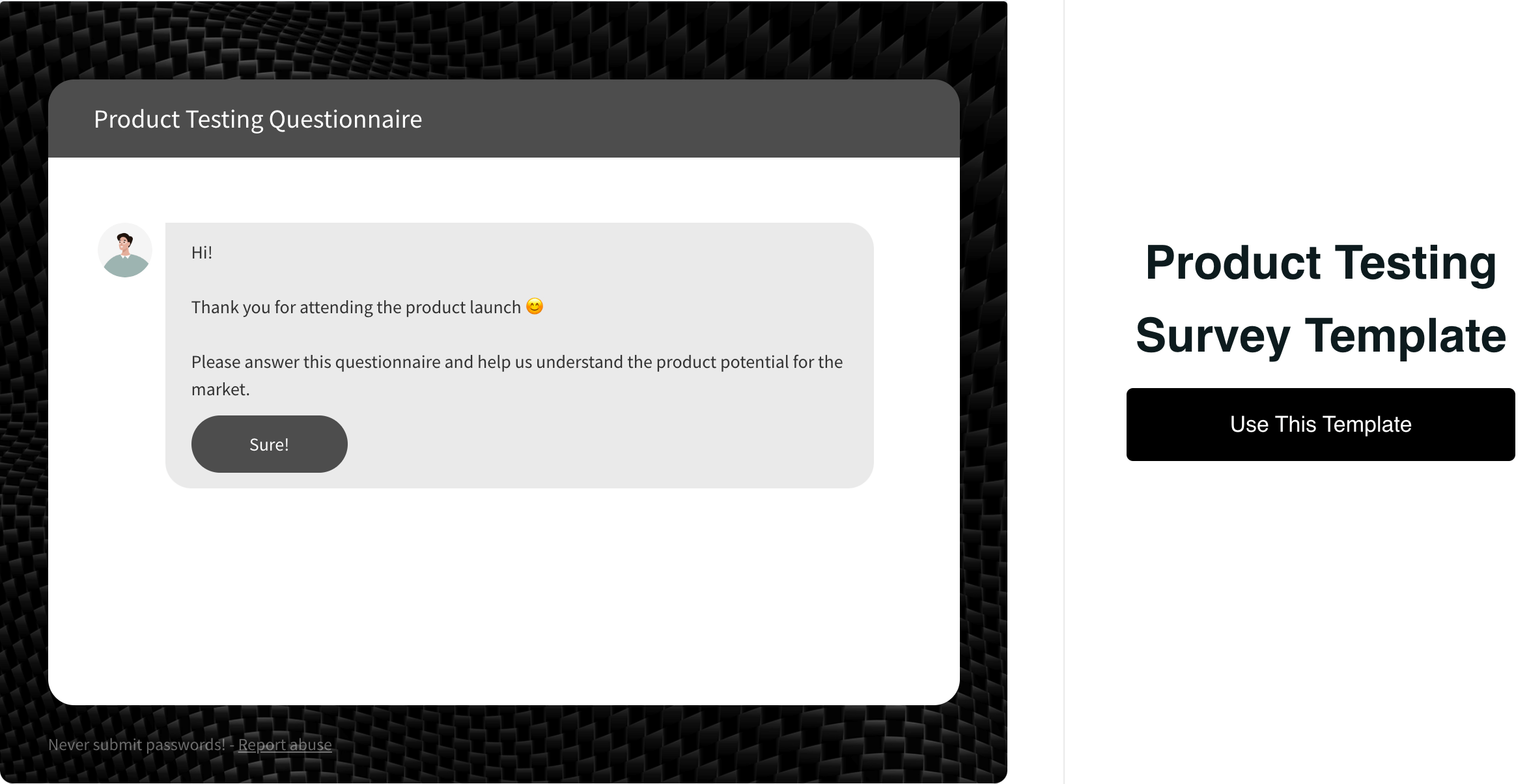
By now, you must have understood that these surveys are not just about collecting data. There is so much more to it than that. Transactional surveys help you understand your audience’s sentiments. It is like making decisions while standing in their shoes. Here’s how they work in enhancing CX:
Ever felt frustrated during an online purchase or while navigating a website? Transactional surveys act like a spotlight, revealing these pain points. By capturing feedback right after an interaction, businesses can identify glitches, confusing processes, or bottlenecks. This insight guides them in smoothening out the customer journey.
Imagine having a problem and getting it sorted out almost instantly. Transactional surveys make this happen. If a customer reports an issue, businesses can swoop in, address the problem, and turn a potential disaster into a positive experience. It’s like having a superhero team on standby, ready to save the day.
Customers adore personal touches. These surveys offer insights into individual preferences. Businesses can use this data to tailor recommendations, suggest products based on past purchases, or even personalize communication. It’s like having a favorite local shop owner who knows your taste – a customized experience that keeps you coming back.
Transactional surveys are the mirrors reflecting a business’s service quality. By analyzing survey responses, businesses can understand what’s working well and what needs improvement. This feedback loop guides them in refining services and ensures that every interaction is seamless and delightful.
When businesses actively seek feedback, it shows that they genuinely care. Customers automatically feel valued. This transparency builds trust and loyalty. Loyal customers not only stay but also become brand advocates, sharing their positive experiences with others. It’s like creating a loyal community!
Let’s admit it, all of our needs evolve. Similarly, customer expectations evolve, and so should businesses. A transactional survey guides this growth. Regular feedback ensures businesses stay aligned with changing customer needs, ensuring they’re always one step ahead. It’s a continuous cycle of improvement, ensuring customers consistently receive outstanding experiences.
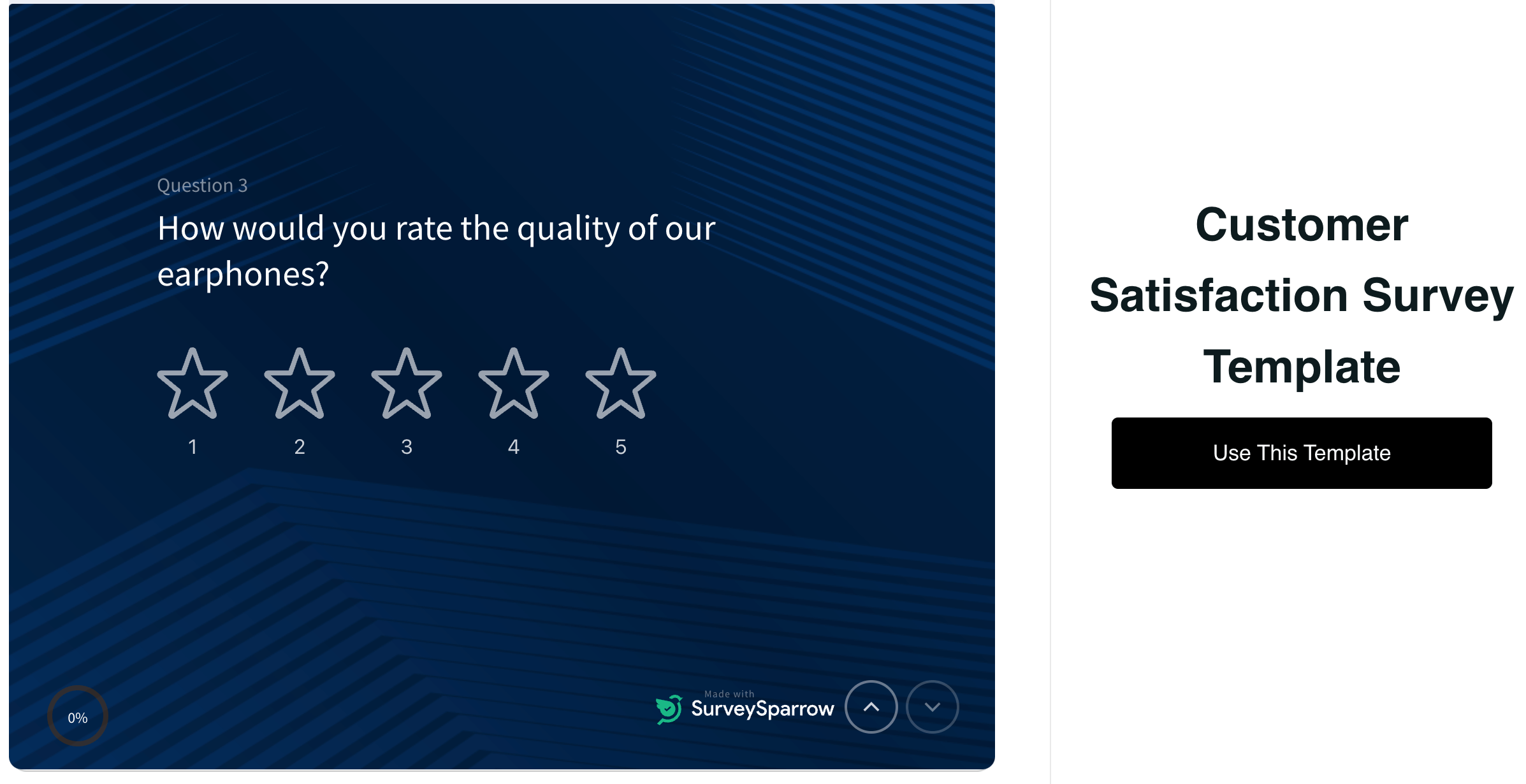
CSAT is the go-to metric for measuring immediate customer contentment. Simple, right? It’s like asking, “How was your experience?” and getting a quick thumbs up or down. This simple rating provides a snapshot of how happy customers are with a specific interaction. The higher the score, the happier the customer.
NPS is the loyalty indicator. It measures the possibilities of customers recommending a business to others. Customers are asked, “On a scale of 0 to 10, how likely are you to recommend us to a friend or colleague?” Based on their responses, customers are classified as Promoters (9-10), Passives (7-8), or Detractors (0-6). A high NPS signifies strong customer advocacy.
It’s the ultimate “Would you tell your friends about us?” test!
CES assesses the ease of customer interactions. Customers are asked how easy it was to resolve an issue or complete a task. This metric focuses on simplicity and efficiency. Lower effort scores indicate a smoother experience, highlighting areas where businesses excel in user-friendliness.
Response rate measures the percentage of customers who respond to a survey out of the total number approached. It tells us how many customers replied to the survey out of the ones asked. High response rates mean lots of folks shared their thoughts, giving a comprehensive picture.
The resolution rate indicates the percentage of issues reported by customers that are successfully resolved. It reflects the effectiveness of businesses in addressing customer problems. High rates mean they’re ace troubleshooters, turning frowns into smiles.
Feedback volume simply quantifies the number of responses received from customers. Businesses analyze feedback volume to understand the scope and scale of customer experiences. Large volumes indicate a significant customer base, providing rich data for analysis.
A transactional survey is like the backstage pass to understanding customer satisfaction, pain points, and preferences. By listening to the voices of customers, you not only gain valuable insights but also pave the way for exceptional experiences. They identify pain points in real time, allowing businesses to swiftly address issues and enhance their services. Moreover, these surveys empower businesses to personalize interactions, building a sense of connection and loyalty among customers.
Also, they are not just about numbers but the people. If you want to show your customers how much their feedback means to you, consider using SurveySparrow. Give it a spin before you leave. (And, hey if you like it, give us kudos in the comments!)
A personalized walkthrough by our experts. No strings attached!
A: Transactional surveys focus on specific customer interactions, capturing feedback immediately after a transaction or touchpoint, and providing real-time insights for targeted improvements.
A: Yes, platforms like SurveySparrow offer customizable templates, allowing businesses to tailor transactional surveys based on their industry, services, and specific customer touchpoints.
A: By addressing customer concerns promptly and improving overall experiences, transactional surveys enhance customer satisfaction, fostering loyalty and long-term relationships.


Thousands of brands trust SurveySparrow to turn feedback into growth. Try it free today!


Best Of
10 MINUTES
2 April 2018

Survey Tips
11 MINUTES
31 May 2023

Best Of
16 MINUTES
26 July 2021

Best Of
8 MINUTES
5 June 2024

