Customer Experience
What is Retail Customer Experience?

Article written by Kate Williams
Content Marketer at SurveySparrow

13 min read
13 July 2024


Customer Experience
Article written by Kate Williams
Content Marketer at SurveySparrow
13 min read
13 July 2024
Retail Customer Experience is one of the most important factors that shape brand identity. It’s not just about selling products!
Picture this: You stroll into a store. Walking down an aisle, you are immediately greeted by friendly faces and an inviting ambiance. The shelves are beautifully decorated with products that whisper, “Take me home.”
As you walk forward, personalized recommendations appear magically, guiding you to the perfect item. The checkout process is a breeze, and you leave with a smile, already planning your return.
Sounds familiar? These are strategically planned experiences that a brand places at crucial touchpoints.
Let’s look at it in detail…
Again, it’s not just about how much you made a sale. It is so much more.
CX in retail is about how a shopper feels throughout their shopping journey.
Say you need a new pair of shoes. A good experience would be like:
Do you agree?
So, what exactly does “retail customer experience” mean?
Simply, it refers to the sum of interactions and impressions a customer has while engaging with a retail brand. From the moment a shopper enters a store or visits an online platform, every touchpoint contributes to their overall perception of the brand.
This perception heavily influences their purchasing decisions, repeat visits and word-of-mouth recommendations.
Did You Know?
About 35% of people check out different stores to compare prices, and among Gen Z shoppers, this number goes up to 45%.
However, a study by Forbes found that 73% of consumers emphasize that having a good experience significantly influences brand loyalty.
When you have an incredible experience, you’re not just buying a product but buying into a feeling, a memory!
Let’s break it down:
There are multiple methods. Let’s start with the most effective one:
Retail Store Customer Feedback Form
Use This Template(Feel free to use and customize it if you like)
Let’s go back to the next method.
To stay ahead in the competitive retail landscape, staying informed about the latest trends and innovations that can enhance the customer experience is crucial. Here are some prominent trends that are shaping the future of the retail customer experience:
The retail industry constantly evolves, and staying ahead of the curve requires a keen eye on emerging trends. Here are some key trends that are shaping the future of the retail customer experience:
As technology advances, hyper-personalization takes center stage. Brands use AI, machine learning, and predictive analytics to create highly individualized experiences that anticipate customers’ needs and preferences.
AR and VR technologies are revolutionizing how customers shop by providing immersive experiences. These technologies, from virtual try-ons to in-store virtual tours, bridge the gap between physical and digital, offering unique and engaging interactions.
Read More: Augmented Reality To Enhance Customer Experience
Voice-activated assistants like Amazon’s Alexa and Google Assistant are gaining popularity, and voice commerce is on the rise. Retailers are optimizing their websites and applications to support voice search and voice-activated purchases, enabling customers to shop seamlessly using voice commands.
Social media platforms have become shopping destinations in themselves. By integrating e-commerce functionalities, retailers can tap into the vast user base of platforms like Instagram and Facebook, offering convenient and personalized shopping experiences. If you’re a new business building your online presence, buying IG followers from reputable sites can quickly grow your user base and potentially boost word-of-mouth marketing.
Interactive and dynamic digital signage is increasingly being used in physical retail spaces. These signs can display relevant content based on real-time data and can even interact with shoppers, providing a more engaging and personalized shopping experience. From showcasing product features to advertising special deals, tools such as LOOK – the easiest digital signage software– are becoming crucial in the retail customer journey.
The important thing you need to do is step into your customer’s shoes. Now, go through these points from that point of view and see how effective the results will be. Let’s divide the section into two:
Oh, this last point needs a bit more stress. Why’s that?
Personalization has emerged as a game-changer in the retail industry, allowing brands to deliver tailored experiences that resonate with individual customers. By understanding customers’ preferences, needs, and behaviors, retailers can create targeted marketing campaigns, offer relevant product recommendations, and provide customized interactions across various touchpoints.
Whether you’re a brick-and-mortar store or an e-commerce giant, personalization has become a game-changer in capturing customers’ hearts and driving loyalty. Let’s look into how we can leave a lasting impression on customers and steer businesses to new heights!
Here are some strategies-
Read More: 50+ Retail Survey Questions to Ask Your Customers for Feedback
Measuring the effectiveness of the retail customer experience is crucial to understanding how well your strategies and initiatives are resonating with your audience. It allows you to identify areas for improvement, make data-driven decisions, and optimize the customer journey.
You can use advanced tools like those provided by SurveySparrow to simplify the process and streamline the collection of customer feedback.
Here are some key methods to measure the retail customer experience:
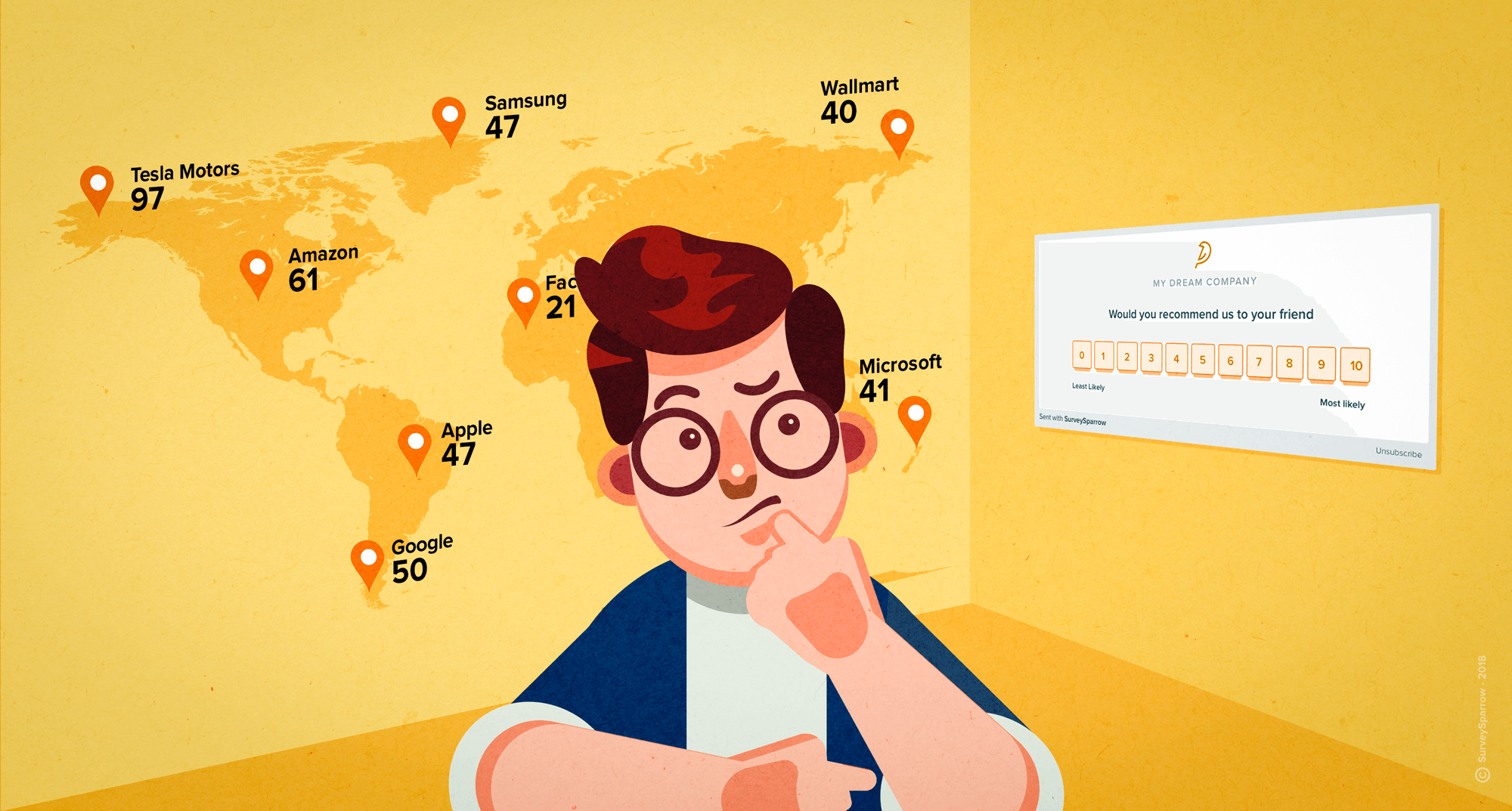
NPS is a widely used metric that gauges customer loyalty and satisfaction. It asks customers a simple question: “On a scale of 0-10, how likely are you to recommend our brand to a friend or colleague?”
Based on their responses, customers are classified into three categories: promoters (9–10), passives (7-8), and detractors (0–6). Calculating the NPS score provides an overall measure of customer satisfaction and loyalty.
Read More: NPS in Retail: Everything You Need to Know
CSAT measures how satisfied customers are with a specific interaction or experience. It typically involves asking customers to rate their satisfaction level on a scale. For example, “How satisfied were you with your recent purchase experience?”
The responses are then aggregated to calculate an average satisfaction score, providing insights into the quality of individual touch points.
CES measures the ease of the customer’s experience while interacting with a brand. It focuses on minimizing customer effort and friction points. For instance, customers might be asked, “How easy was it to resolve your issue after a support interaction?”
The responses are used to gauge the level of effort customers put in, helping identify areas for streamlining processes and reducing customer effort.
Monitoring online customer reviews and ratings on platforms like Google, Yelp, and social media provides valuable insights into customers’ perceptions of your brand. Analyzing the sentiment, themes, and common feedback helps identify strengths and weaknesses in the customer experience. Positive reviews also serve as testimonials that can attract new customers.
Customer journey mapping involves visualizing and understanding the various touch points and interactions a customer has with your brand. It helps identify pain points, gaps in the experience, and opportunities for improvement. By collecting qualitative and quantitative data at each stage of the journey, you can gain a holistic view of the customer experience and make informed enhancements.
Monitoring the sales conversion rate helps assess the effectiveness of the customer experience in driving actual purchases. By tracking the number of visitors or leads that convert into paying customers, you can measure the impact of your customer experience strategies on the bottom line. A high conversion rate indicates a positive and engaging experience.
The customer retention rate measures the percentage of customers who continue to engage and make repeat purchases over time. A high retention rate signifies that customers are satisfied and find value in your offerings and the overall experience. It is a strong indicator of the success of your customer experience efforts.
Why don’t we sum it up quickly?
Component |
Definition |
| Seamless Omnichannel Presence | Creating a cohesive and consistent experience across all channels |
| Personalization at Scale | Tailoring interactions and recommendations based on individual customer preferences |
| Exceptional Customer Service | Going above and beyond to exceed customer expectations |
| Optimized Checkout Processes | Streamlining the purchase journey for convenience and efficiency |
| Engaging Store Layouts | Creating visually appealing and immersive environments |
| Visual Merchandising | Presenting products in an enticing and captivating manner |
Always remember that providing exceptional retail customer experiences is a never-ending journey. Regularly measuring and analyzing customer feedback, leveraging technology, and staying abreast of the latest trends is crucial to continuous improvement. Embrace the power of retail customer experience, and let platforms like SurveySparrow be your partner in unlocking its full potential.
With the platform, you can create engaging NPS, CSAT, and CES surveys, share via multiple platforms, collect data, visualize it on the executive dashboard, analyze it, and make informed decisions based on the rich insights gained. All this in a single platform!
Sign up today and start transforming your retail business!


Thousands of brands trust SurveySparrow to turn feedback into growth. Try it free today!


Customer Experience
16 MINUTES
18 May 2022
Best Of
10 MINUTES
7 April 2018

Customer Experience
12 MINUTES
22 November 2018

Best Of
15 MINUTES
20 October 2020
14-day free trial • Cancel Anytime • No Credit Card Required • No Strings Attached

