Customer Experience
Online Reputation Management: The Small Business Guide to Going Big

Article written by Parvathi Vijayamohan
Content Marketer at SurveySparrow

12 min read
29 July 2024


Customer Experience
Article written by Parvathi Vijayamohan
Content Marketer at SurveySparrow
12 min read
29 July 2024
Imagine you’re the owner of a grocery business which has recently moved into the online space. While things are going well overall, you just got some negative reviews, and these have hurt your ratings on Google Maps.
Sounds familiar? Then you’ve got good reason to consider online reputation management.
In 2024, success has become synonymous with reputation. With the rise of online reviews, social media, and digital feedback, even small businesses need to put their best foot forward. So let’s dive into our guide to online reputation management for small business.
Online Reputation Management (ORM) is a strategy for influencing, monitoring and managing the online perception of a business or individual. An effective ORM strategy has two key goals:
| Corporations | Small Businesses | |
| Scale | Deal with a much larger volume of online data – reviews, social media mentions, news articles. | Typically have fewer online mentions and reviews to track. |
| Resources | Invest in sophisticated monitoring tools and may have dedicated ORM teams. | Rely on manual monitoring or free tools and focus on a smaller number of key platforms. |
| Crisis Management | Follows established protocols for responding to negative press or social media attacks. | Reacts quickly and addresses the issue directly with the customer. |
| Brand Advocacy | Relies on a broader range of brand advocacy strategies, including influencer marketing, customer loyalty programs, or community forums. | Can leverage personal connections with customers and incentives to encourage positive reviews. |
| Overall Focus | Maintaining an established presence, reputation repair for past issues or proactively shaping the online conversation. | Building a positive online presence from scratch, focusing on encouraging reviews and creating high-quality content. |
In short, think of ORM like a garden. For a small business, it’s about weeding out negative comments, and cultivating good reviews. For a corporation, it’s about managing a vast landscape, and dealing with everything from weeds and pest attacks to the occasional storm!
Just like a personal recommendation from a trusted friend, most people check out online reviews before making a purchase. According to a study by Testimonial Engine, more than 88% of customers will read a review first before taking action.
So, in short – the more social proof your business has, the more customers are willing to trust you. Thanks to effective social proof tools.
“Online reviews represent real-life experiences, offering potential customers a glimpse into the quality, value, and reliability of the product or service they’re considering.”- Mention
| One example of a brand that got increased sales due to online reviews is Amazon.
According to Amazon’s guidelines, written reviews should be at least 20 words and no more than 5,000 words. As well as showing the content provided by reviewers, the platform also displays the total number of ratings. Additionally, text reviews, photos, and videos are categorized separately. These help build trust and credibility among consumers. |
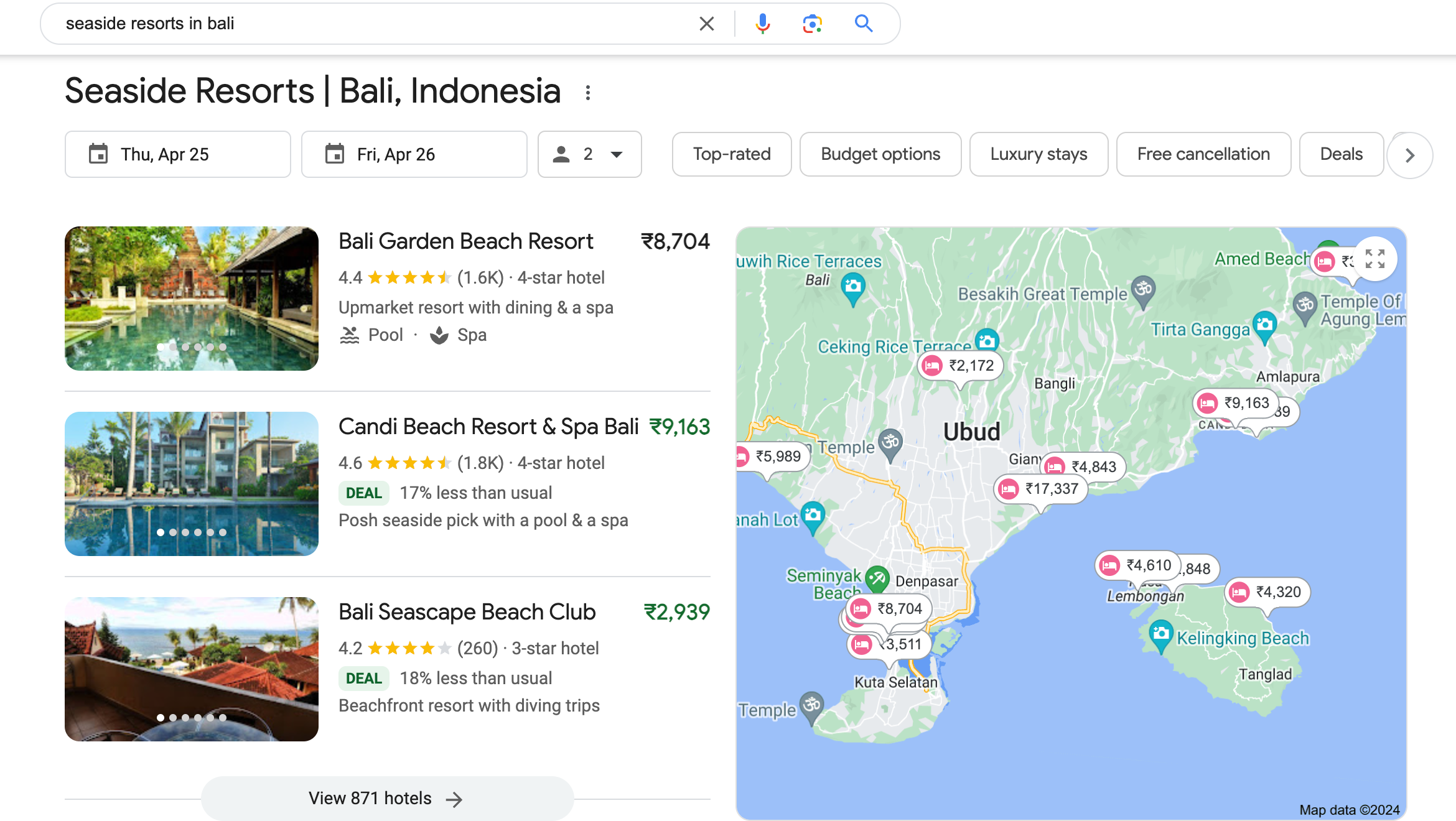
Imagine that you are looking for a beachfront resort in Bali. So you Google it, and you are presented with a huge range of options – most of them identical in terms of ambiance, facilities and prices.
You’re unsure which one to pick, so you dive deep into their online ratings and reviews.
With 81% of customers using Google to evaluate local businesses, how your business appears online can make a huge difference to your bottom line.
When does publicity become negative? You can tell by its impact. Research by Mozshows that with just one negative article, you risk losing 22% of potential customers. Take that to four or more? You might lose nearly 70%.
Negative reviews are unavoidable, but how you respond to them matters. ORM strategies can soften their impact because they help you address these issues promptly and professionally.
| Nike is an example of a brand that has mastered online reputation management.
They created a dedicated social media handle for customer support, created a response team, and allowed customers to contact them directly through the Twitter handle @NikeService. In this way, they are able to respond to customers and resolve issues faster. |
Imagine you’re meeting someone for the first time. Their clothes, the way they speak, and their overall vibe all contribute to the impression you form about them, right?
Brand perception is kind of the same. It’s not what the brand says about itself, but what people think and feel about it, based on their experiences and exposure.
Here’s a breakdown for you:
|
So, brand perception is like a reputation – it’s built over time and reflects the overall impression people have of it. It can influence whether someone chooses that brand over a competitor. This is why online reputation management is so important.
In a perfect world, potential customers would land right on your doorstep (or website). But with so much competition out there, the reality is that people need a reason to find you in the first place.
Good discoverability – that is, good rankings – can help a small business compete with larger, more established companies, regardless of budget.
So, how does ORM play a role in search engine rankings?
Google considers factors like online reviews, social media mentions, and brand awareness when ranking websites.
When your business performs well in these 3 areas, that sends a positive signal to Google. These lead to improved rankings and higher click-through rates, which can boost your website’s rank over time.
Additionally, a good online reputation is also vital for local SEO. Positive reviews on Google My Business and other local directories like Yelp can greatly boost your ranking.
| What’s the difference between ORM and SEO?
Online reputation management and search engine optimization are two sides of the same coin, with different goals and strategies.
|
First, claim your profiles on all the key platforms where your customers might be searching for you. This includes:
“77% of consumers will use at least two review platforms in their business research.” – BrightLocal
Once you’ve claimed your online territory, it’s time to listen. Here are some ways to monitor your online reputation:
How you respond to online feedback, both positive and negative, is crucial. Here are some tips:

A personalized walkthrough by our experts. No strings attached!
Don’t wait for reviews to come to you. Here’s how to be proactive:
Building a strong online reputation takes time and consistent effort. Here are some reminders:
Bonus Tip: Turn Advocates into Brand Ambassadors
Happy customers are your best asset.
Identify loyal customers and consider offering them incentives to become brand ambassadors. This could involve featuring them on social media or offering them a discount for referring new customers.
SurveySparrow’s powerful Reputation Management software allows you to access, manage, and respond to reviews from 99+ review sites on a single dashboard. It also enables you to understand the sentiment behind each review.
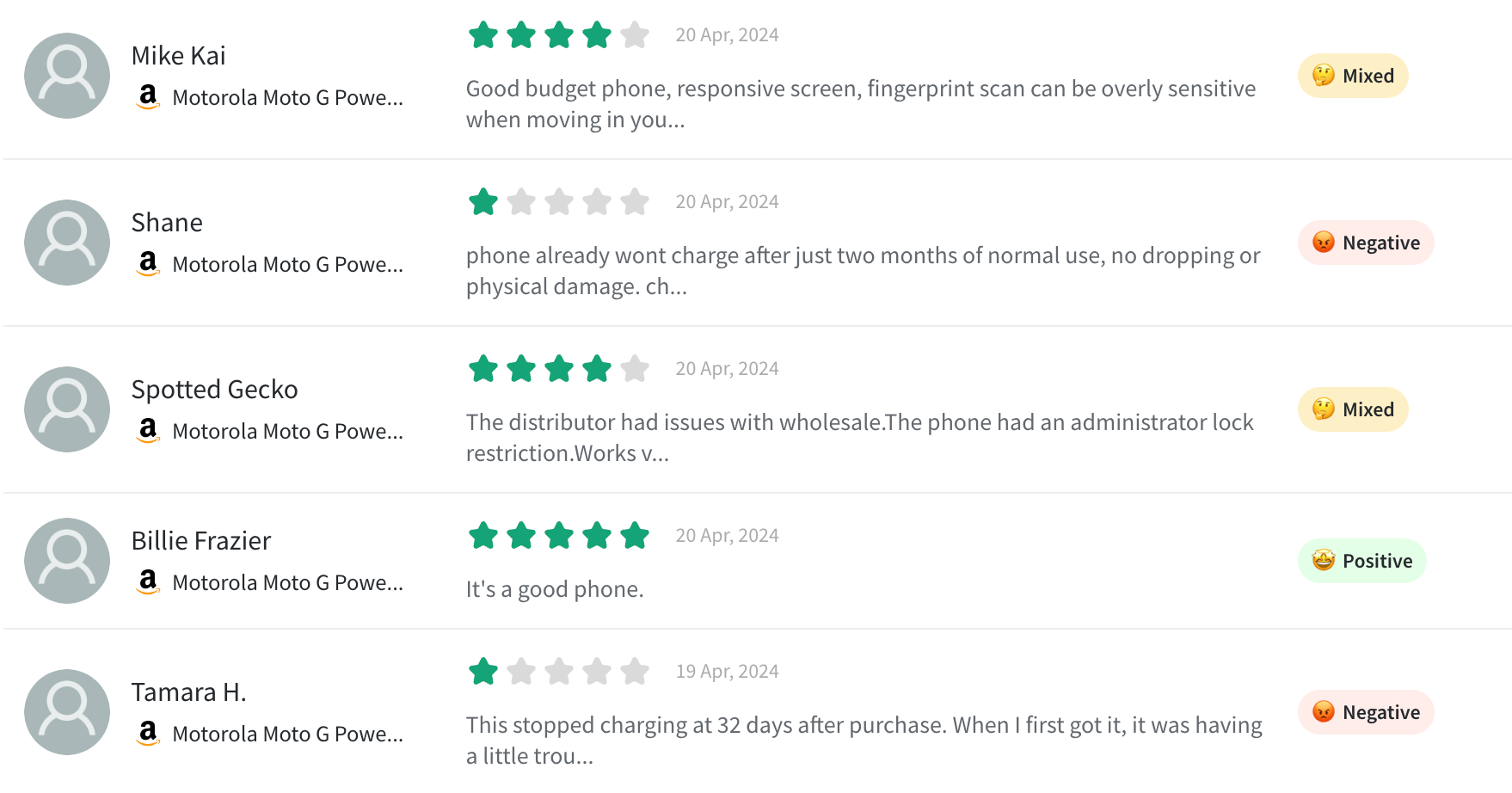
Get instantly notified whenever someone posts a review by setting up custom workflows.
This applies to Slack too – you can get alerts for reviews based on custom conditions. For instance, you can set up an alert message when someone gives a 1-star rating.
You can also filter these reviews, and ticket them for further action.
For example, let’s say that a customer posted a good review on Yelp, highlighting the great service they got from Susan, a junior employee. You can create a ticket for that review and assign it to HR for the next step – which can be a reward or a kudos for Susan in your internal group.
Need help replying to reviews? Ditch the canned responses – our AI will help you draft replies in real-time.
You can also showcase the best reviews by embedding them on your website.


Suggested Reading: 10 Best Tools for Online Reputation Management
Reputation is like currency, especially for small businesses with a limited customer base. You need to manage it well, and that’s where online reputation management comes in.
Whether you choose to invest in professional ORM services or have your own DIY strategies, online reputation management for small business is a vital step toward making it big. We hope you found this guide helpful!


Thousands of brands trust SurveySparrow to turn feedback into growth. Try it free today!

Best Of
15 MINUTES
20 June 2021

Customer Experience
18 MINUTES
21 March 2023

Customer Experience
16 MINUTES
18 May 2022

Customer Experience
10 MINUTES
27 September 2023


