Customer Experience
Experience Design 101: A Guide to Enhancing User Experience in 2024

Article written by Kate Williams
Product Marketing Manager at SurveySparrow

18 min read
4 June 2024


Customer Experience
Article written by Kate Williams
Product Marketing Manager at SurveySparrow
18 min read
4 June 2024
Technology is an intricate part of our lives. Most of our lives are connected with technology right from the moment we wake up to the time we hit the bed. It allows us to do things that we would have never been able to do earlier.
But it is not all easy peasy for everyone, especially so if you are handling a new piece of technology. The objective of the brains behind the technology is to make it easy to use and fun to interact with.
It is possible to do this by understanding how human beings interact with technology, what are the pain points for them, and being empathetic with them to make the experience smoother, better, and more useful.
This is where experience design comes in.
Experience design is the art of creating physical or digital experiences for people like us – the end users. The goal is to make every interaction we have with a product amazing, and it takes into account every detail of how we use it.
User experience design is super important for building great products because it allows designers to get a deep understanding of our experience. And believe it or not, there are constantly new improvements and tests being made to ensure our experience gets even better.
When you are designing an experience for someone who is going to use a piece of technology, you are at the cusp of making their lives easier. Consequently, user-centered goals are pivotal for businesses as their business ideology would be based on how the customer will feel.
If you are going to make it difficult for your customers to download your app from the play store or add items to the cart, they might even leave you for a competitor. Whether you accept it or not, your customer is going to have an experience with your brand. Every single piece of interaction is an experience.
Product designers should aim to delight customers. Experience design is key to achieve that goal. It can help solve problems, invoke emotions, increase usage, and modify behavior. You can apply it to innovate products, improve marketing messages, streamline the customer journey, reduce friction, and much more.
The user is what matters most in experience design. Each change or prompt you make should be designed with the user in mind, and you should ask yourself how the change will affect their experience of the product in every stage of its development.
When every interaction that a customer has with your brand is excellent, it means that your experience design is great. Every single touchpoint is pivotal.
Investing time and effort in creating a better user experience has many benefits.
Here’s what experience design testing can do:
By concentrating on experience design, you will not only end up meeting customers’ expectations, but you will also exceed them. When you have a series of conversations with your customers about their pain points and the kind of solution they are looking for, you will be able to come up with solutions that will ‘wow’ them.
While taking risks is not inherently bad when you invest in experience design, you will be able to minimize the uncertainty as a lot of the suggestions come directly from the customers. You can engage users with a variety of prototypes to test and refine concepts. The customer insights you gather from your experience design strategy is based on real-world experiments.
When the design thinking thought shifts from what is good for the organization to what is great for the customer, the organization will end up making revenue-generating designs that will keep them in good stead.
When you provide great experiences, people will want to keep coming back. This means you can gain loyal customers by creating engaging design experiences. Plus, providing enough reasons for your customers to enjoy their experience with you will lead to positive word-of-mouth, which can attract new customers.
A reliable and strong design experience is a significant competitive advantage. By offering an effective mix of chatbots and great design, you can reduce the number of customers needing support.
Additionally, a delightful experience is a major factor in converting a user into a paying customer. With the right experience design, you can lead the user in a specific direction and ensure they find what they’re looking for.
Experience design ensures testing is part of the development process at all stages. This helps you build an optimized and streamlined product that meets user expectations. The more experience design testing you do, the clearer idea you’ll have of how your customers think. Ultimately, this leads to building better products with fewer errors.
If you want an organization-wide buy-in, you need to get the smartest minds to rally around the importance of experience design. Ensure that the project involves talented developers, designers, and the right suite of tools to execute with perfection. It makes sense to have a diverse team that has varied expertise and background so that you can get the POV of different people.
Do remember that experience design doesn’t just need the expertise of design teams. You also need to have everyone from the technology department to the business team get involved.
For everyone to work together, you need to train everyone on your payroll with respect to design thinking. You can conduct workshops, webinars and focus groups to make this a part of your culture.
Ensure that it is embedded with your product development methodologies. Employee experience design is also an aspect that you shouldn’t ignore.
To create a well-optimized and ideal experience, it is important to have a well-defined experience design process.
So, here are the basic stages that you need to take for your user experience project:
In this stage, you need to know your users. When we say know your users, we mean understanding motivations, behavior, goals, etc. It will help you design experiences that they want.
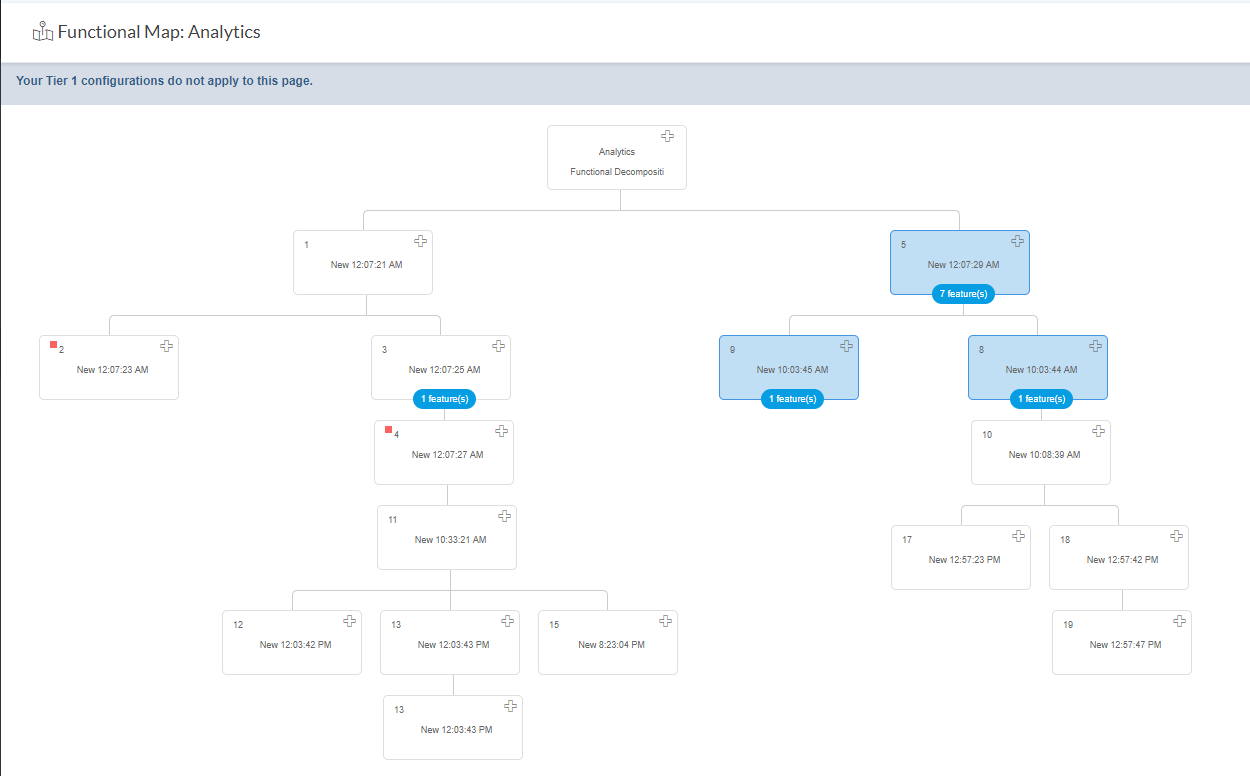
A UX audit is a method to understand which are the areas that can be improved in the product. It is one of the most quintessential steps in the experience design process.
By doing a UX audit, you will end up making it easy for your users to achieve what they intended to do on your app. The website audit includes a list of elements to verify based on what your app offers.
Here are a few things that your UX audit process should take care of:
In this stage, you’ll create wireframes, board flows, and sketches to build a usable design for the feature – one that satisfies end users. The goal is to find the best ways to create a solution and ensure user satisfaction by the end of this stage.
At this stage, you create minimum viable products. It will include specific features that show how it solves customer-specific problems.
The last step of the user experience involves testing the usability of the final product. The testing is done with the help of real users, usually by utilizing a usability testing tool. It will help identify any roadblocks that the user will face when they are working on it.
Kindly note that the above steps might not happen in the same order.
Let us look at the roadblocks usually faced by organizations when they are on the verge of implementing experience design.
When you want to create a company-wide transformation, it will take time. But the problem is that most organizations keep postponing it. The process itself is a long one, and there is a lot of effort involved. If you expect results quickly, an experience design project is going to be a failure.
Most businesses are looking for changes that will immediately show in the bottom line. The leadership team needs to understand the importance of keeping the users delighted. For that to happen, experience design is immensely important.
Metrics don’t always give you the right perspective. If you want to understand what your customer goes through, you need to go deeper. Tools such as metrics do not help you empathize with the customer.
A product’s usability helps us understand if the users can do the tasks efficiently. Without a good user experience, there won’t be good usability. While usability creates well-functioning products, just because a product is easy to use doesn’t mean that people will be open to using it.
To provide a great design experience, you need to focus on people’s experiences. Understand their needs and wants, and the context in which they are using the product. Being able to empathize with your customers is a pivotal aspect of a successful experience design strategy.
If you want to provide a great experience for your customers, please note that you cannot make the changes in a day’s time. The goals of the users and that of the business should match, only then you will be able to come up with practical solutions.
When it comes to experience design, there is a lot that technology can do. From helping you gather data to turning that into insights, tools can do a world of good for businesses that are planning to kickstart their experience design project.
It is important that you gather data from both your existing and potential customers. The tool should be able to identify patterns and trends to understand customer behavior.
When you have access to a set of people who are a part of your target market, and can also be interviewed for their input, you will be able to easily find the pain points of your customers.
When there are datasets from multiple sources, the opportunity to leverage them for insights is immense. But to use them to gain insights, you need to have a powerful analytics tool that will show you the right opportunities to go after.
Since every industry that you think of is intensely competitive, it is imperative that the tool offer real-time insights. Only then is it even possible to stay ahead of your competitors or react quickly to market changes? If you use traditional market research methods, it will take you months to get any relevant insight.
If your product development and design team work in siloes, then it is not the right strategy. You cannot create a great experience for your customers if your organization works in siloes.
Every team – from your product to marketing to design to logistics team – should have a process to work in siloes where there is constant sharing of information as well as ideas getting exchanged. Each department should be in the know regarding minor and major changes to the product so that their inputs can be added to the development of the product.
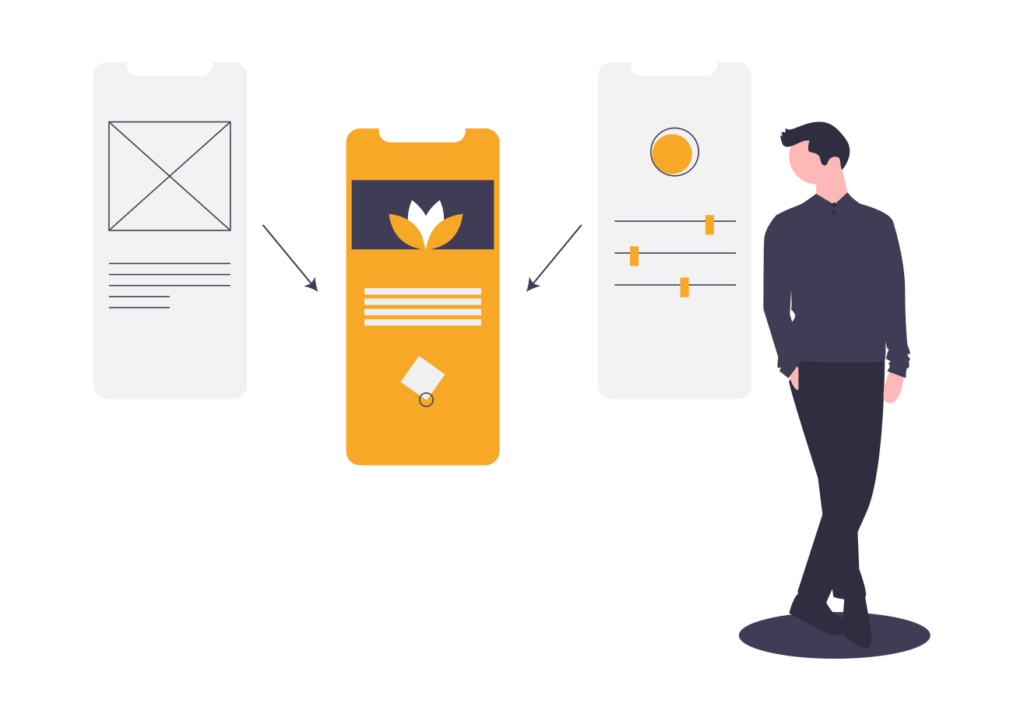
Improving your experience design requires following best practices:
By following these best practices, you can deliver amazing user experiences that delight your customers.
Let us look at a few examples of the world’s top brands that have been able to execute experience design to perfection. These are some of the best experience design examples that both B2B and B2C companies can use effectively for their brand.
Airbnb offers a great experience for travelers. Its homepage design offers everything that a traveler is looking for.
Even if you don’t know where you want to travel, it offers a plethora of nearby destinations. Moreover, it provides a mix of what people want: pet-friendly stays, homestays, entire homes, etc. The experience is simple, elegant, and hassle-free.
One of the most popular meditation apps in the world, it is imperative that the user experience they offer be immaculate. Imagine visiting a meditation app, only to be peeved with its user experience- that’s ironic.
Headspace uses gamification to keep people hooked to the app. They have goals and ongoing streaks to push people to meditate every day. By introducing gamification, not only do they keep the customers engaged, but they also reduce and increase their retention rate.
Whenever you finish watching a show or movie on Netflix, its autoplay feature goes to the next episode or another movie. It is a fantastic example of reducing the effort for the user.
Another interesting autoplay feature that the world’s biggest streaming platform has is that it starts playing when you scroll their library, giving you a sneak peek into what each of the movies or shows entails.
Another website that is a great example of user experience and web design is Stripe. Its design drives the user’s attention toward specific content.
Even though Stripe’s web pages have a lot of space to scan content, the user wouldn’t find it empty as they add a lot of interesting design elements.
Undoubtedly one of the most popular sports apparel brands in the world, their website is a great example of how brands can present their content properly if information architecture is done properly.
Nike offers visitors multiple ways to search for content by offering a number of filters such as new releases, gender, product line, etc.
For your organization’s success, experience design is going to be a huge contributor. You need to put your customers’ needs at the core of your business. Strive to not only meet their expectations but also to exceed them every single time. When you keep doing that consistently, your customers will stay loyal to you, and it will directly impact your bottom line positively.
Experience design provides an opportunity for the business side to work in tandem with the design side. When both these departments work together, you will end up solving business problems, make the customer get better service, and you are likely to get more successful.
If you are looking for an online survey tool to gather information, SurveySparrow is one of the most powerful tools in the market. SurveySparrow has a suite of features and functionalities that make it one of the most sought-after online survey tools. Get in touch for a demo or sign up for a test-drive.


Thousands of brands trust SurveySparrow to turn feedback into growth. Try it free today!

Best Of
14 MINUTES
25 December 2020

Best Of
16 MINUTES
18 April 2019
Customer Experience
17 MINUTES
1 October 2021
Customer Experience
9 MINUTES
6 July 2023
14-day free trial • Cancel Anytime • No Credit Card Required • No Strings Attached

