Knowledge
What is Diversity, Equity, and Inclusion (DEI)?

TRUSTED BY BEST-IN-CLASS BRANDS



Imagine an organization where every individual, regardless of their background, is not just welcomed but celebrated. In a workplace where opportunities are abundant, equity is not just a buzzword and inclusion is a way of life. Intriguing, right? Well, it is not just an alternate reality anymore. This vision is at the heart of DEI —Diversity, Equity, and Inclusion. It’s not just about ticking checkboxes; it’s about fostering a culture that thrives on diversity and champions equity.
In this blog, we will look into the meaning of DEI, explore the nuances, and uncover its potential to reshape workplaces for the better.
What is DEI?
So, what does DEI stand for? It is an acronym for Diversity, Equity, and Inclusion. DEI is a framework designed to foster a work environment where every individual, regardless of their background, feels valued, and included, and has equal opportunities for growth and advancement. It’s about recognizing and celebrating differences while ensuring that everyone has a seat at the table. Though diversity, equity, and inclusion are closely related, there are subtle nuances you need to know.
Diversity within DEI stands for the unique blend of individuals in the workplace. It includes differences in race, ethnicity, gender, age, sexual orientation, disability, and more. It’s not just about acknowledging the differences. It’s about celebrating them and understanding the value they bring to an organization.
Check out this Workplace Diversity Questionnaire Template!
Equity, on the other hand, is the commitment to providing everyone with fair and equal opportunities. It seeks to rectify historical disadvantages, ensuring that no one faces discrimination, bias, or systemic barriers that hinder their growth or success. Equity strives for balance and fairness in all aspects of employment.
Inclusion takes the principles of diversity and equity a step further. It’s the active practice of creating a welcoming atmosphere where all employees, regardless of their background, are encouraged to participate fully. Inclusion fosters a sense of belonging, where everyone’s voice is heard and valued.
And again, it is not just a linear process. It includes a lot of strategies and practices. What we need to understand is that ensuring DEI is not a one-step process. It takes a lot of effort and commitment from every member of an organization. Only the enterprise that strives to create a positive workplace will drive business and succeed in the long run.
DEI in the Workplace
You see, Diversity, Equity, and Inclusion are not principles restricted to the HR department or the managers alone. It must be embedded in the foundation of every organization. Plus, they are also not just policies and statements. Let’s see how each of them works:
What is Diversity in the Workplace?
Diversity in the workplace extends beyond mere representation of different backgrounds; it’s the recognition and celebration of the unique qualities that each individual brings to the organization. Here’s a more comprehensive exploration of workplace diversity:
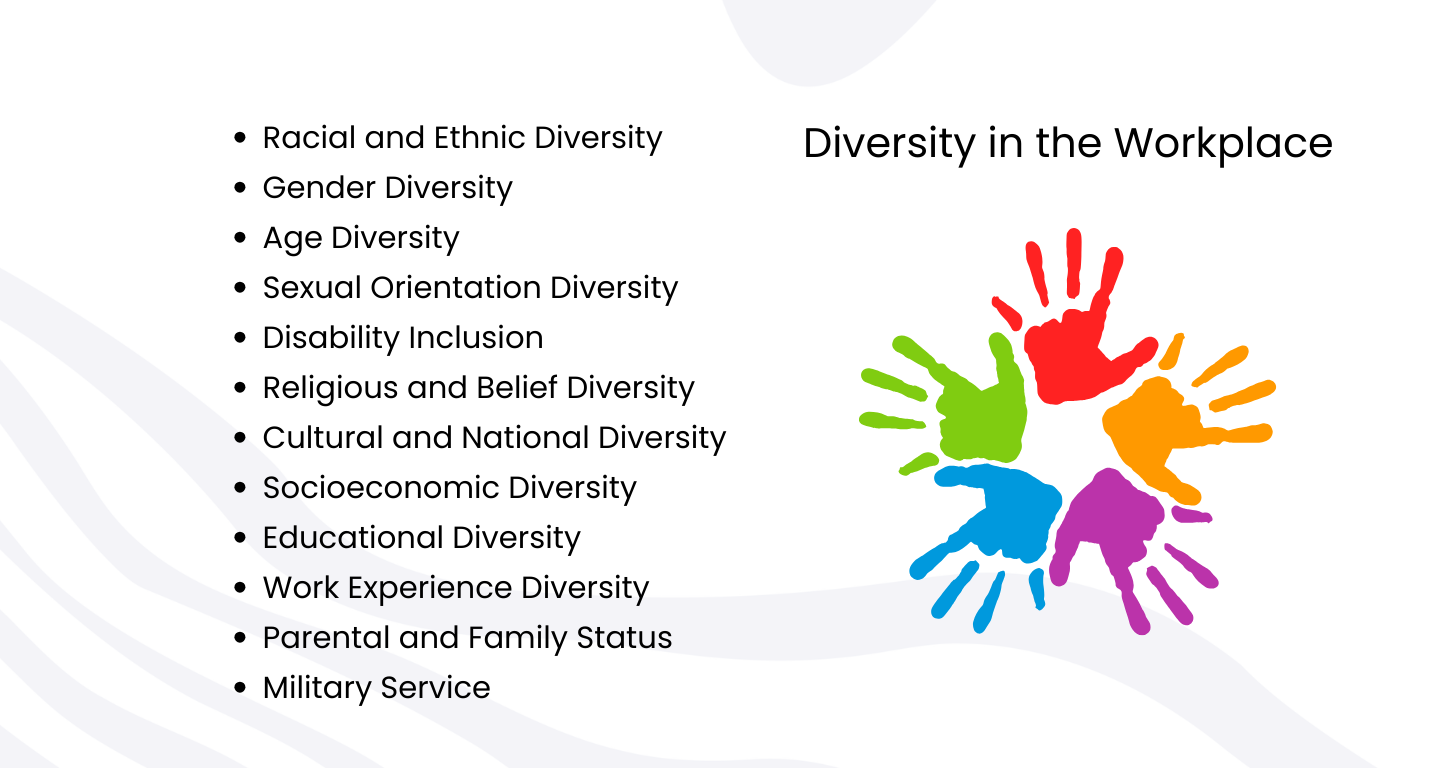
Racial and Ethnic Diversity
This facet of diversity encompasses individuals from various racial and ethnic backgrounds. In a diverse workplace, employees may come from African, Asian, Hispanic, Middle Eastern, Indigenous, or other racial and ethnic groups. Embracing this diversity involves valuing and respecting the cultural heritage and experiences that each group contributes.
Gender Diversity
Gender diversity goes beyond the binary classification of male and female. It includes individuals of all gender identities. Creating an inclusive workplace means recognizing and accommodating different gender identities and expressions.
Age Diversity
In a diverse workforce, you’ll find employees spanning multiple generations, from Generation Z and Millennials to Generation X and Baby Boomers. Each generation brings unique perspectives, communication styles, and work habits. Acknowledging these differences can lead to more effective collaboration and knowledge sharing.
Sexual Orientation Diversity
A diverse workplace supports individuals with varying sexual orientations, including heterosexual, homosexual, bisexual, asexual, and more. It’s about fostering an environment where everyone feels safe and respected, regardless of their sexual identity.
Disability Inclusion
Diverse workplaces include individuals with varying abilities and disabilities. This involves providing reasonable accommodations and ensuring accessibility so that all employees can fully participate and contribute.
Religious and Belief Diversity
Employees may practice different religions, or follow various belief systems, including atheism or agnosticism. Respecting these differences involves allowing for religious observances, accommodating dietary restrictions, and creating an inclusive environment for all beliefs.
Cultural and National Diversity
Globalization has made workplaces more culturally diverse. Employees may come from different countries, regions, and cultural backgrounds. Embracing cultural diversity includes recognizing and respecting cultural norms, traditions, and languages, which can enrich the workplace.
Socioeconomic Diversity
Employees may come from various socioeconomic backgrounds, contributing diverse perspectives based on their life experiences. An inclusive workplace acknowledges these differences and creates pathways for career advancement regardless of economic status.
Educational Diversity
Educational backgrounds can vary widely, from high school graduates to individuals with multiple degrees. A diverse workplace values the expertise and experiences that individuals bring from their educational journeys.
Work Experience Diversity
Diverse teams often include employees with different career trajectories, levels of expertise, and industry backgrounds. This diversity of work experience can lead to more innovative approaches to problem-solving.
Parental and Family Status
Recognizing diversity also means supporting employees with different parental and family dynamics, including working parents, caregivers, and those without children.
Military Service
Veterans and active-duty military personnel bring unique experiences and skills to the workplace. An inclusive environment honors and utilizes these talents.
What is Equity in the Workplace?
Equity in the workplace refers to the concept of fairness and impartiality in the treatment of employees, ensuring that everyone has equal access to opportunities, resources, and support. It seeks to eliminate bias, discrimination, and systemic barriers that may hinder some individuals from reaching their full potential within an organization.
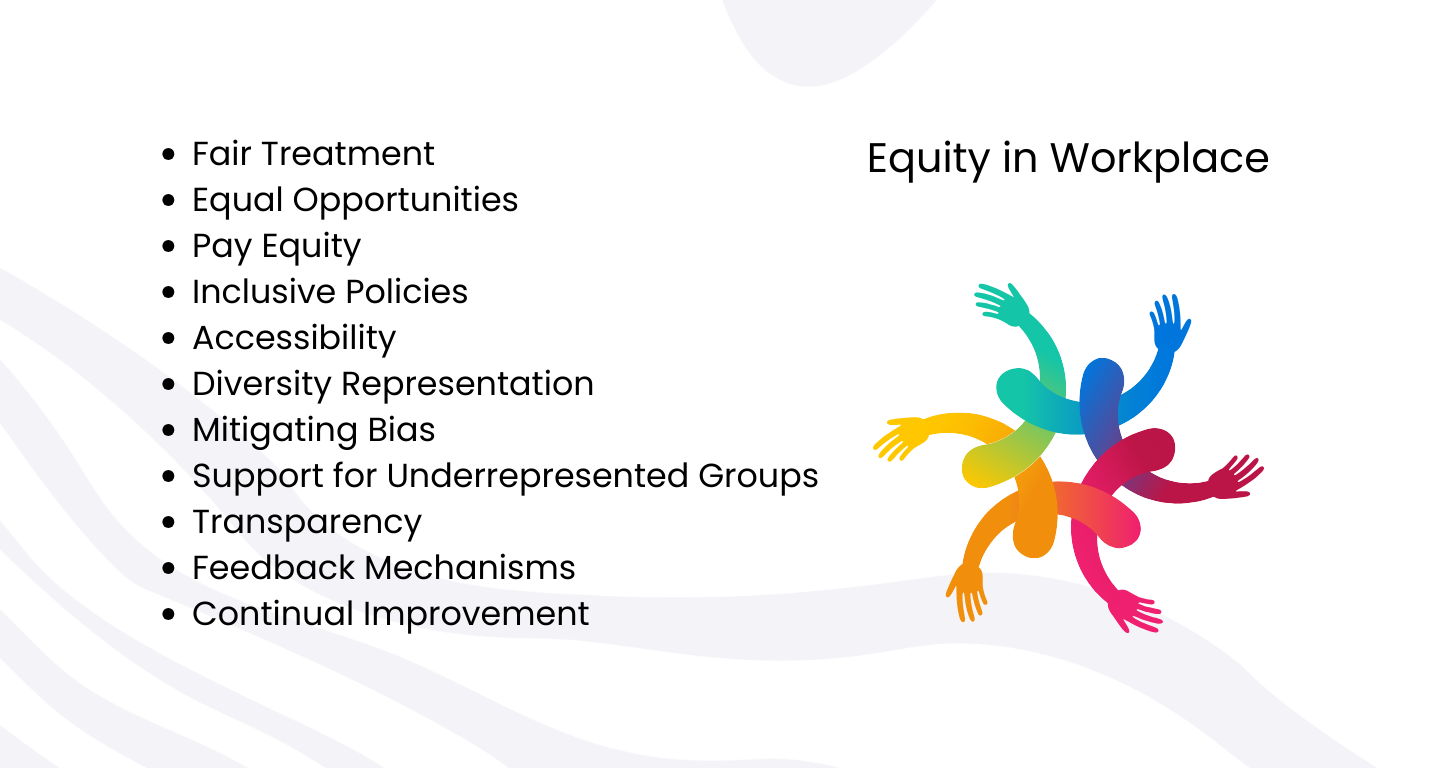
Fair Treatment
Equity involves treating all employees with fairness and consistency, regardless of their background, characteristics, or identity. It denotes the absence of any form of discrimination or preferential treatment based on race, gender, age, or other characteristics.
An equitable workplace ensures that everyone has equal access to opportunities for career growth, advancement, and development. It means that promotions, raises, and access to challenging projects are based on merit rather than favoritism or bias.
Pay Equity
Pay equity is a critical component of workplace equity. It means that employees receive fair compensation for their work, regardless of gender, race, or other characteristics. Organizations must strive to close the gender pay gap and address disparities in compensation.
Inclusive Policies
Equitable workplaces have policies and practices in place that promote inclusivity and fairness. This includes non-discrimination policies, anti-harassment measures, and accommodation policies to support employees with disabilities or unique needs.
Accessibility
Equity extends to physical and digital accessibility. It means ensuring that the workplace is physically accessible to individuals with disabilities. Also, organizations must confirm that digital resources, such as websites and online training materials, are designed to accommodate all employees.
Diversity Representation
It involves striving for diverse representation at all levels of the organization, including leadership positions. It means breaking down barriers that may prevent individuals from underrepresented groups from reaching leadership roles.
Mitigating Bias
Organizations work to mitigate unconscious bias in decision-making processes, such as hiring and performance evaluations. This includes implementing blind recruitment techniques, diverse interview panels, and ongoing training to raise awareness of bias.
Support for Underrepresented Groups
Equity initiatives often include targeted support for underrepresented groups. This may involve mentorship programs, affinity groups, or initiatives to address specific challenges faced by certain demographics.
Transparency
Equitable workplaces prioritize transparency in decision-making processes, such as compensation and promotions. Employees should understand the criteria used for evaluations and have access to information about how decisions are made.
Feedback Mechanisms
Organizations encourage open feedback from employees to identify and rectify instances of inequity. Creating safe channels for employees to voice concerns and suggestions is crucial in maintaining an equitable environment.
Continual Improvement
Remember that equity is an ongoing commitment. Organizations regularly assess their policies and practices, gather data on diversity and inclusion, and take proactive measures to address any disparities or challenges that arise.
What is Inclusion in the Workplace?
Inclusion in the workplace refers to the deliberate and proactive effort to create an environment where all employees, regardless of their background, characteristics, or identity, feel welcomed, valued, respected, and empowered to fully participate and contribute to the organization.
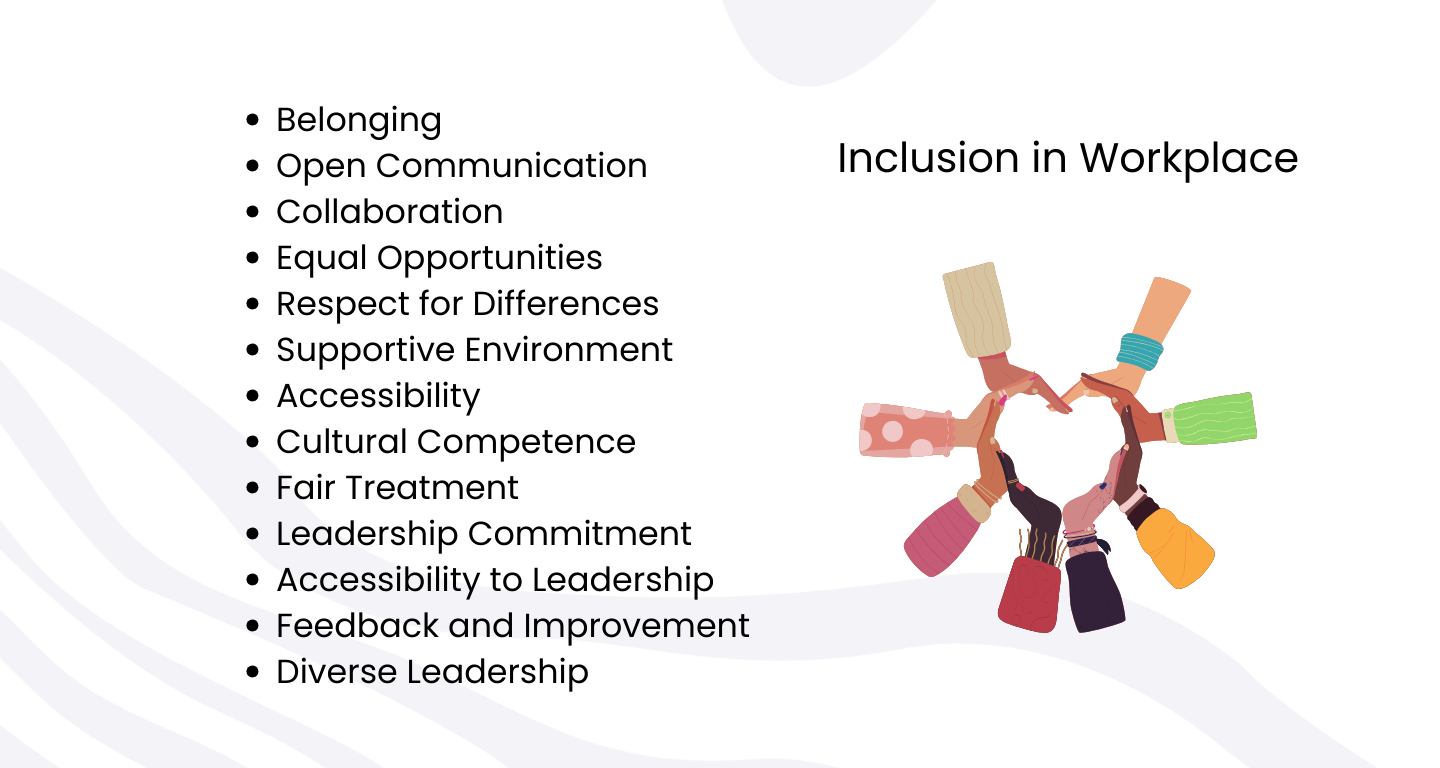
Belonging
Inclusion fosters a sense of belonging among all employees. It means that every individual feels like an integral part of the team, and their contributions are valued. Employees feel that their perspectives and experiences matter.
Open Communication
Inclusive workplaces prioritize open and transparent communication. Employees are encouraged to express their thoughts, concerns, and ideas without fear of retaliation or exclusion. This open dialogue allows for the free exchange of ideas.
Collaboration
Inclusion promotes collaboration among employees from diverse backgrounds. It encourages teamwork and the sharing of diverse perspectives, leading to more innovative solutions and decision-making.
Equal Opportunities
Moreover, an inclusive workplace provides equal opportunities for all employees to participate in training, development programs, and high-impact projects. No barriers are preventing certain individuals from accessing career-enhancing experiences.
Respect for Differences
It involves respecting and celebrating the differences among employees. Moreover, inclusion goes beyond mere tolerance. It embraces diversity as a source of strength and innovation. Differences are viewed as assets rather than liabilities.
Supportive Environment
Inclusive workplaces create a supportive environment for all employees. This may include offering mentorship programs, employee resource groups, and mental health support to address specific needs and challenges.
Accessibility
It extends to physical and digital accessibility. It means ensuring that the workplace is physically accessible to individuals with disabilities and that digital resources are designed to accommodate diverse needs.
Cultural Competence
Employees are encouraged to develop cultural competence, which involves understanding and respecting the customs, traditions, and perspectives of individuals from different cultural backgrounds.
Fair Treatment
Inclusive workplaces prioritize fair treatment for all employees. Discrimination, harassment, and microaggressions are not tolerated, and there are mechanisms in place to address such issues promptly.
Leadership Commitment
Inclusion starts at the top. Leaders in inclusive organizations actively demonstrate their commitment to diversity and inclusion and serve as role models for inclusive behavior.
Accessibility to Leadership
Inclusive workplaces ensure that individuals from underrepresented groups have access to leadership roles. The organization dismantles barriers to advancement and establishes clear pathways for career growth for everyone.
Feedback and Improvement
Organizations actively seek feedback from employees to assess the inclusivity of the workplace. Feedback mechanisms are used to identify areas for improvement, and proactive measures are taken to address concerns.
Diverse Leadership
Inclusive organizations strive for diverse leadership at all levels. They recognize that leadership that reflects the diversity of the workforce can better understand and address the needs of all employees.
What Tool Should You Use?
Maintaining a healthy relationship with your employees is crucial when it comes to ensuring DEI in the workplace. You must keep their opinions on top priority. Conducting regular surveys to be updated about their needs and preferences will help you immensely. Moreover, the data you collect will help you make informed decisions. You can Collect, Collate, Analyse, and Act upon data with SurveySparrow.
Here’s how SurveySparrow can help organizations ensure Diversity, Equity, and Inclusion (DEI) in the workplace.
- Customization: Create customized surveys to gather feedback on diversity, equity, and inclusion efforts.
- Real-time Feedback: Collect immediate responses for swift identification of areas needing improvement.
- Anonymous Responses: Encourage honest feedback by allowing anonymous input from employees.
- Diverse Question Formats: Utilize varied question types to gain nuanced insights into DEI-related aspects.
- Regular Pulse Surveys: Establish consistent feedback loops through brief, frequent pulse surveys.
- Inclusivity in Survey Design: Ensure surveys are accessible to all employees, prioritizing inclusivity.
- Data Analysis and Reporting: Interpret results through visually appealing reports for data-driven decisions.
- Training and Workshop Feedback: Gather insights on the effectiveness of diversity training and inclusion programs.
- Employee Resource Group Surveys: Target specific employee resource groups for tailored feedback on their experiences.
Try it out today!
Benefits of DEI in the Workplace
The advantages of prioritizing DEI in the workplace ripple through every aspect of an organization:
- Improved Employee Satisfaction: In an inclusive environment where individuals from diverse backgrounds are embraced, employees feel more valued and appreciated. This boosts their job satisfaction and overall happiness, contributing to higher retention rates.
- Better Decision-Making: Furthermore, diversity of thought leads to better decision-making. When individuals from different backgrounds come together to solve problems, they bring a variety of perspectives and ideas to the table. This diversity of thought sparks innovation and results in more effective solutions.
- Increased Innovation: Innovation thrives in an inclusive workplace. Employees feel encouraged to share their unique insights and ideas. When their perspectives are valued, they are more likely to contribute groundbreaking innovations that drive the organization forward.
- Enhanced Company Reputation: Lastly, companies that prioritize DEI build a reputation for being socially responsible and ethical. This, in turn, attracts top talent and fosters customer loyalty.
Why is DEI Important?
DEI isn’t merely a workplace strategy; it’s a fundamental societal imperative. In the workplace, its significance is underscored by several key factors:
- Fosters Innovation: As mentioned before, diverse teams foster innovation by bringing together people with different backgrounds, experiences, and thought processes. This diversity of perspectives leads to creative problem-solving and the development of unique products and services.
- Attracts Top Talent: The best and brightest talent often seeks out organizations that value diversity and inclusion. A diverse workforce is a competitive advantage when it comes to recruitment.
- Improves Employee Retention: Employees are more likely to stay with organizations where they feel included and have equal opportunities for growth and advancement. High retention rates reduce turnover costs and contribute to organizational stability.
Check out this Employee Retention Questionnaire Template. - Aligns with Social Responsibility: In an era where social and ethical issues are at the forefront, DEI demonstrates an organization’s commitment to making a positive societal impact. Plus, it’s a reflection of corporate responsibility and a dedication to advancing social justice.
The point to be stressed is that DEI must be engrained in the heart of every organization. There is no shortcut for this!
Steps to Ensure DEI in an Organization
Achieving a truly diverse, equitable, and inclusive workplace requires concerted efforts at every level of the organization. Here are some actionable steps:
- Leadership Commitment: Leadership sets the tone for DEI efforts. Leaders must be actively committed to championing DEI initiatives. They must serve as role models for inclusive behavior.
- Diverse Recruitment: To build a diverse workforce, organizations should actively seek out candidates from a broad range of backgrounds. This includes using various sourcing strategies, revamping job descriptions to be more inclusive, and removing potential bias from the recruitment process.
- Inclusive Policies: Develop and enforce policies that support diversity and inclusion at all levels of the organization. This includes non-discrimination policies, flexible work arrangements, and support for employee resource groups.
- Training Programs: Offer ongoing DEI training to all employees. These programs should be comprehensive, covering topics such as bias awareness, cultural competence, and inclusive leadership. Training should be tailored to different roles within the organization, ensuring relevance.
- Metrics and Accountability: It is important to establish measurable DEI goals and hold individuals, departments, and the organization as a whole accountable for meeting these objectives. Regularly track progress and adjust strategies as needed.
- Inclusive Culture: Foster an inclusive culture by promoting open communication, collaboration, and a sense of belonging for all employees. Encourage feedback and create mechanisms for employees to voice concerns or suggestions regarding DEI initiatives.
- Avoid the ‘Minority Tax’: Recognize and address the ‘minority tax,’ which involves placing additional responsibilities or expectations on employees from underrepresented groups, especially in the context of diversity and inclusion efforts.
Wrap Up!
In conclusion, DEI in the workplace is more than a program; it’s a cultural transformation. By prioritizing diversity, equity, and inclusion, organizations can unlock their full potential. They can improve employee satisfaction, drive innovation, and make a positive impact on society. Every step we take brings us closer to the vision of a more equitable and just future through the DEI journey.
And, before you go, why not give SurveySparrow a try?