Customer Experience
Top 10 Highly Used Customer Experience Technologies For Optimization

TRUSTED BY BEST-IN-CLASS BRANDS



In the contemporary business environment, the battle for customers goes beyond offering superior products or services. Success hinges on how businesses create meaningful and enriching experiences using customer experience technology.
More than ever, using the best customer experience (CX) technology has become a critical business differentiator, and rightfully so – a superior CX can lead to higher customer loyalty, increased satisfaction, and ultimately, improved business performance.
As businesses strive to meet and exceed customer expectations, they are turning to technology as a key enabler.
However, this article delves into the world of customer experience technology, exploring why organizations need to optimize their CX, the ten must-have technologies for this optimization, and how these technologies can elevate the customer journey to new heights. Buckle up as we embark on this exciting journey.
Why Do Organizations Need to Optimize Customer Experience?
In a competitive business landscape, the defining factor for any organization is the customer experience (CX) it delivers. Therefore, it’s no longer just about the quality of the product or service offered.
The game-changer is the entire journey that a customer undertakes with a brand, from the first point of contact through to purchase and post-sale interaction. Additionally, this is where customer experience technology takes center stage.
Thus, optimizing customer experience means understanding and addressing customer needs, creating gratifying and value-adding interactions, and doing so consistently. As a result, a quality customer experience yields increased customer loyalty, stronger brand advocacy, and ultimately, greater business growth.
Customer experience technology empowers companies to get under the skin of their customers, predict their needs, and respond effectively to their concerns. It allows businesses to serve their customers more efficiently, enhancing the speed and convenience of their service.
Plus, it paves the way for personalization, which is a key element in a world where customers increasingly value experiences that cater to their individual preferences.
10 Must-Have Customer Experience Technologies:
1. Customer Relationship Management (CRM) Systems:
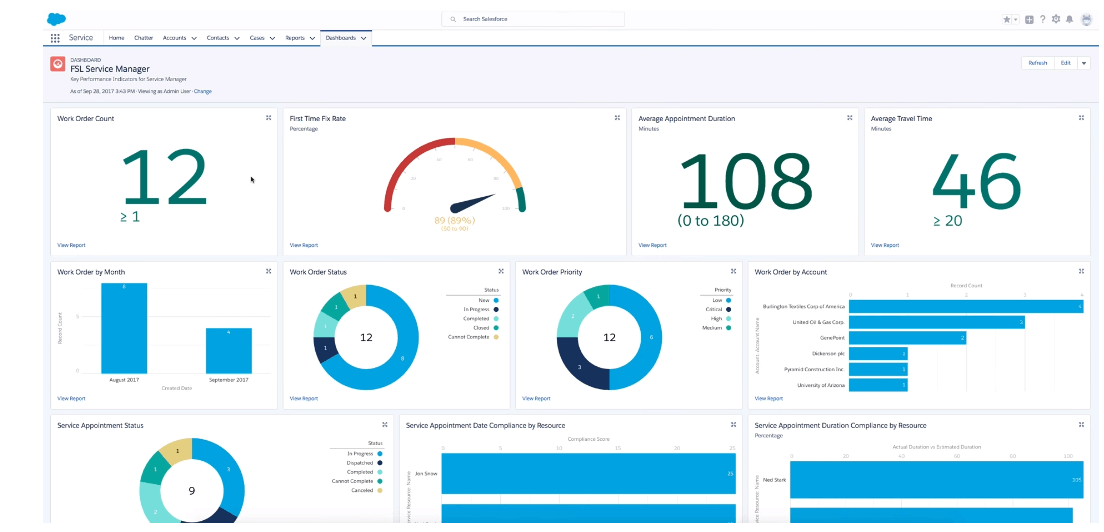
A CRM system serves as a centralized hub for all customer-related data. Henceforth, it can track customer interactions across various channels, predict customer needs, and automate certain tasks.
Thus, this allows businesses to develop more personal relationships with their customers by understanding their past interactions, preferences, and purchasing patterns.
Moreover, popular CRM systems like Salesforce, Hubspot, and Zoho offer a range of features that enable a more systematic approach to customer relationship management.
2. Chatbots and Virtual Assistants:
These AI-driven tools are essential for providing real-time customer support. They can answer FAQs, help with bookings, give product recommendations, and even provide technical support.
Over time, chatbots and virtual assistants learn from each interaction, continually improving their response accuracy. Platforms like IBM Watson Assistant and Google Dialogflow offer sophisticated chatbot functionalities that can greatly enhance the customer experience.
3. Social Media Monitoring Tools:
Social media platforms are a goldmine for customer feedback. Monitoring tools like Hootsuite and Sprout Social help businesses track customer conversations, respond to comments or complaints in real-time, and even analyze sentiment towards their brand.
Hence, this allows companies to proactively manage their online reputation and engage with their customers more effectively.
4. Customer Analytics Software:
Software like Google Analytics and Adobe Analytics can provide valuable insights into customer behavior by tracking their actions across your digital platforms. This data can be used to segment customers, predict future behavior, and create more targeted marketing campaigns.
Thus, understanding customer behavior allows businesses to deliver a more personalized and satisfying customer experience.
5. Customer Feedback Systems:
However, tools like SurveySparrow allow businesses to collect, analyze, and act on customer feedback.
Whether it’s through surveys, reviews, or suggestion boxes, understanding customer feedback is crucial to identifying strengths, weaknesses, and opportunities for improvement in the customer experience.
SurveySparrow offers engaging conversational surveys that help you collect customer feedback. Explore more about its features by trying out their 14-day free trial. Grab now!

Create conversational customer surveys with SurveySparrow
A personalized walkthrough by our experts. No strings attached!
6. AI and Machine Learning:
AI and Machine Learning algorithms can be used to analyze large volumes of data, identify patterns, and make predictions about future customer behavior. These technologies can power chatbots, personalize marketing messages, and even predict customer churn.
Also, tools like TensorFlow and Keras are popular choices for implementing machine learning capabilities.
7. Predictive Analytics:
Predictive analytics takes customer analytics a step further by using past data to predict future behavior.
Also, tools like SAS and RapidMiner can predict trends like which customers are likely to churn, what products are likely to sell well, or what marketing message will be most effective.
Thus, this can help businesses proactively address customer needs and personalize their offerings.
8. Mobile Experience Technology:
With the rise of mobile commerce, businesses need to provide a seamless mobile customer experience. This includes mobile-optimized websites, dedicated mobile apps, and mobile payment options.
Moreover, companies like Stripe for payments, and platforms like Flutter or React Native for mobile app development, ensure that businesses can effectively serve their increasingly mobile customer base.
9. Omnichannel Platforms:
An omnichannel approach ensures a seamless customer experience across all touchpoints. Platforms like Zendesk and Genesys integrate customer interactions from various channels – website, social media, phone, email, in-person – into a single, unified view.
Hence, this allows businesses to provide a consistent and unified customer experience, no matter where the interaction takes place.
10. Personalization Engines:
These tools use data to create personalized customer experiences. They can recommend products, tailor content, and send personalized messages based on individual customer behavior.
Moreover, tools like Optimizely and Dynamic Yield offer personalization capabilities that can significantly enhance the customer experience.
Hence, each of these technologies plays a unique role in optimizing the customer experience. By combining them in a thoughtful and strategic way, businesses can create a powerful customer experience strategy that differentiates them from their competitors.
How helpful are these tools?
Implementing the right customer experience technology can revolutionize a business’s CX strategy. Thus, CRM systems, for instance, help organize customer interactions and provide a wealth of data that can be analyzed to optimize customer experiences.
Chatbots and virtual assistants are at the forefront, providing quick responses and ensuring constant availability. Hence, this not only ensures faster resolution but also enhances customer satisfaction.
With AI and machine learning integrated into these tools, they continually learn from every interaction, leading to better responses and solutions over time. Also, Customer feedback systems, social media monitoring tools, customer analytics software, and predictive analytics provide a wealth of customer insights.
Hence, these insights help businesses understand their customer base better, predict their behavior, tailor their interactions, and continually improve their services based on these insights.
Also, mobile experience technology and omnichannel platforms play a vital role in ensuring a smooth and consistent experience across all channels. With the world moving towards mobile-first approaches, these tools ensure that businesses stay current and meet customers where they are.
Lastly, personalization engines use the vast amounts of customer data collected to create personalized experiences. This not only enhances customer satisfaction but also leads to increased customer loyalty and higher conversion rates.
Wrapping Up
This blog highlights the importance of customer experience technology in creating enriching interactions and differentiating businesses. Superior CX leads to greater customer loyalty and improved business performance.
The integration of these technologies is transformative. CRM systems manage customer data effectively, while chatbots and virtual assistants provide speedy resolutions. AI and machine learning enhance these tools’ effectiveness. Social media tools, customer feedback systems, and analytics provide deep insights into customer preferences, aiding in tailored interactions.
Mobile technology and omnichannel platforms ensure consistency across different platforms. Personalization engines leverage data to enhance customer satisfaction, loyalty, and conversion rates. Start optimizing your customer experience today with SurveySparrow to see tangible improvements in customer loyalty and business performance.
Create conversational customer surveys with SurveySparrow
A personalized walkthrough by our experts. No strings attached!